Holiday Breakfast: Popovers & Scrambled Eggs

Join me several times weekly on CreateTV + plus check local PBS listings

Wishing you all a very happy + safe Easter Week! Enjoy, George

It is said the American style popover originated in Portland Oregon derived from the Yorkshire Pudding origins of Yorkshire county in Northern England. Whether true or not the principle of a good Yorkshire Pudding or Popover derives from using a crepe-like batter dough. To make a popover, change the beef fat drippings (from the roast) to butter- for a more updated flavorful batter. Whatever style you prefer to make, just remember don’t open the oven door and peek in the oven- if you want a tall pop-over from this crepe-like muffin. 

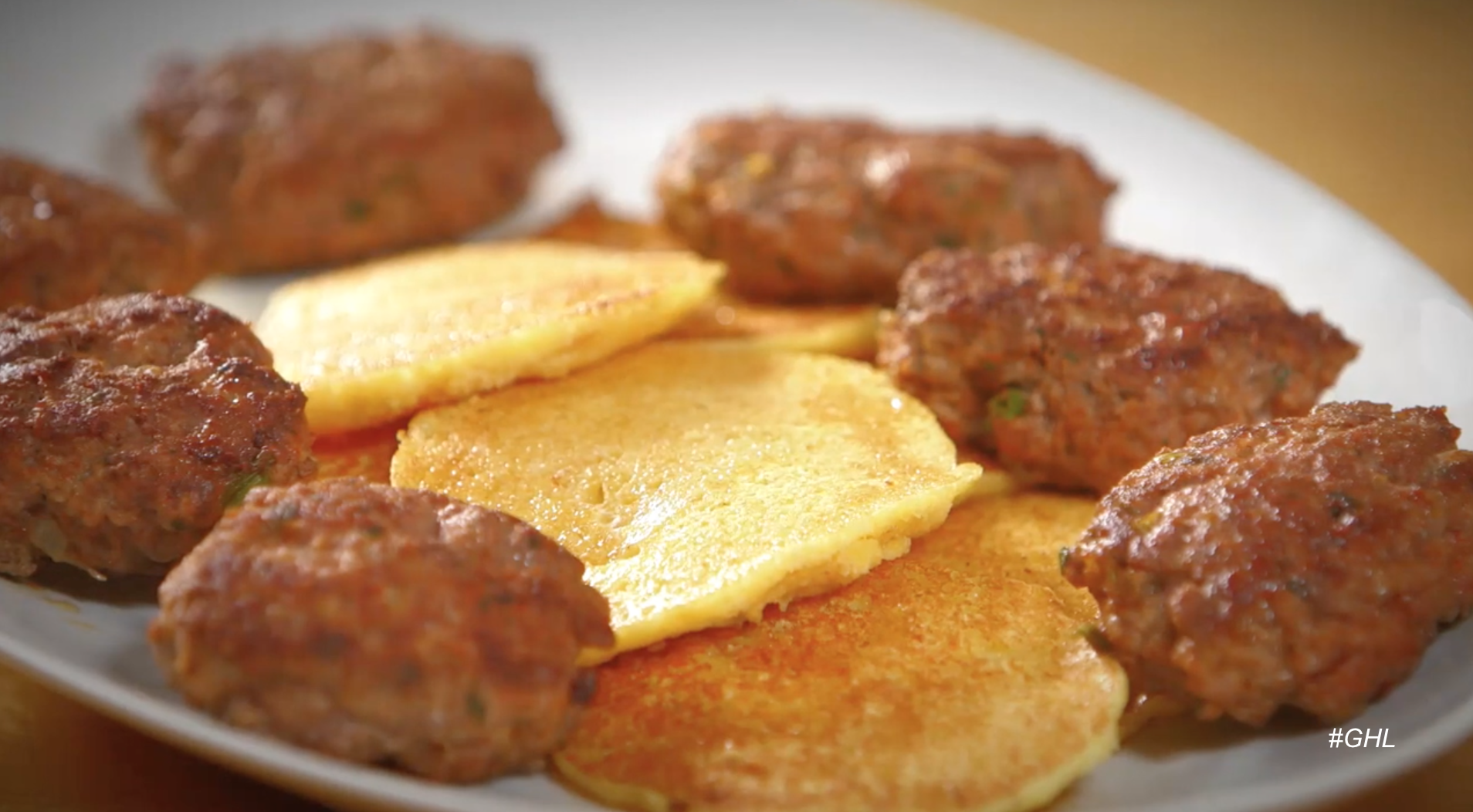
Yorkshire Pudding or Popovers are usually served with roasted meats. A dear friend recently shared with me that he serves popovers with scrambled eggs for breakfast or brunch. Great idea!
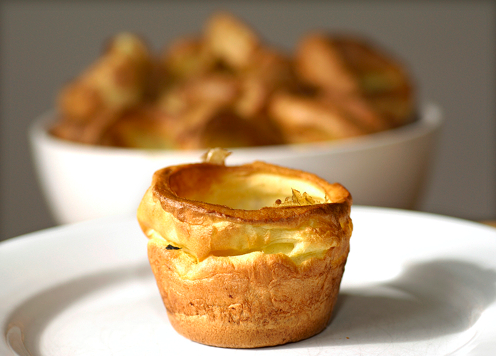
pop-over.png

Popovers & Yorkshire Pudding  

Makes 12 popovers

Adapted From Adventures in Grilling Cookbook, by George Hirsch with Marie Bianco

5 Tablespoons butter, melted

2 eggs, beaten 

1 cup milk

1 teaspoon sugar

1 teaspoon salt

1/2 teaspoon hot sauce

1 cup all-purpose flour

pinch of fresh grated nutmeg and black pepper

Optional: 1 teaspoon fresh chopped thyme, rosemary or chives

Grease and flour a 12 cup muffin or popover pan. Add a teaspoon of melted butter to each cup of a 12-cup muffin pan.

Mix flour, eggs, milk, 1 Tablespoon melted butter, sugar and salt. Beat in the flour a little bit at a time and add herbs if using; mixture should be smooth. Do not over mix the batter or the gluten will overdevelop and the popovers will be tough. Let batter rest for fifteen minutes. 

Preheat oven to 450 degrees.

Place empty/ unfilled muffin pan in hot oven to preheat pan for two minutes or until smoking hot. 

Carefully remove hot muffin pan from oven and fill each cup halfway. Bake for 15-20 minutes, then reduce oven temperature to 350 degrees, and continue baking for 15-20 minutes more, or until popovers are puffed and browned.  

Remove Popovers from pan immediately and serve hot.

Tips:

If serving scrambled eggs with popovers, begin to cook eggs 5 minutes before removing popovers from oven.

Do not open oven to check popovers until they have baked for at least 30 minutes. 

To test for doneness, tap the outside of Popover; it should sound hollow. 

Pasture Awareness

The Bottom Line: Poultry and eggs pasture raised taste better than those raised in confinement. 

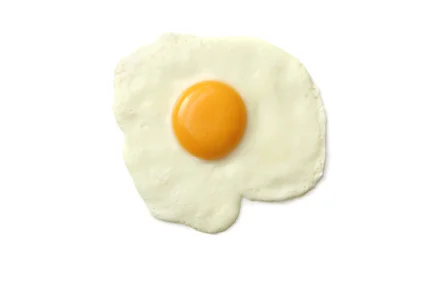
Egg.jpg

Pastured poultry (not referring to pasteurization process, that's for foods such as milk, cheese and beer) is a technique used for raising chickens or other poultry right on green pastures. The birds are always kept on fresh pasture by systematically moving them around every few days, which allows the birds to be raised in a cleaner, healthier environment. And fed the old fashioned way- on fresh green pasture grass and with wholesome grain. 

'Pastured living' is not only good for the chickens- but chickens managed correctly, are good for the pasture. Hens are brillant at finding and eating small seeds, insects, and tender grass and leaves. Their manure leaves behind a healthy shot of nitrogen, potassium and phosphorus. The trick is to move the hens before the pasture has been pecked and scratched to death.

Although there is nothing new here, since farmers have been raising poultry on pastures for centuries in this manner. In fact, most domesticated poultry was raised outdoors until the 1950s when large confinement egg and poultry operations found they could mass produce product confined in restricted conditions. Even though the majority of poultry is now produced in high-density factory farms, the good news is a rising number of growers have chosen to raise their poultry in outdoor free range pastures instead of indoor confinement to produce a high quality, farm-fresh, all-natural product. Which brings us back to quality, quality, quality. That's good stuff.

The pastured poultry movement has found great support among consumers, chefs and restaurateurs because of the high quality and unsurpassed flavor of such products. And so, local farmers continue to see growth with demand for premium-priced pasture-raised poultry and eggs. 

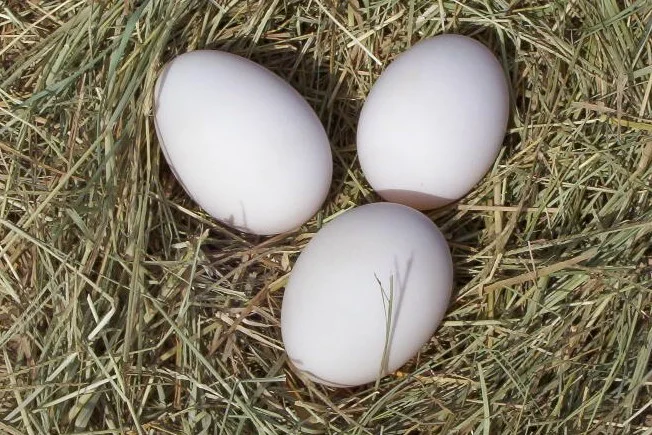
eggs-fresh.jpg

Nutritional Benefit: Deep-yellow-yolked eggs, the sign of natural chock full of beneficial Omega 3 fatty acids.

In Season: Pastured eggs are seasonal, hens lay less as the days get shorter. In industrial confined egg operations they use artificial lights. However, while the ladies are resting and not earning their keep, they are eating even more expensive grain because of shorter daylight and colder days. Just one of the reasons why pastured eggs will cost more.

Inspiration: See what hard work, dedication, and pride in what the natural earth creates. Chris and Holly of Browder's Birds Mattituck, on the North Fork LI are career changers who run Long Islands's only organic & pastured poultry farm. On the west coast Soul Food Farm owners Alexis and Eric Koefoed raise pastured chickens for both eggs and meat. They turn sunlight, grass, bugs, and high-quality domestic feed into animals that live a healthy and humane life --free to roam in fresh air and peck and take dust baths — and then into delicious and healthy food. They are driven by the belief that "You are what you eat, and what you eat, eats." Soul Food Farm, Vacaville, CA.

Resources: For more information on where to find pasture eggs near you:

American Pastured Poultry Producers Association

Rodale Institute

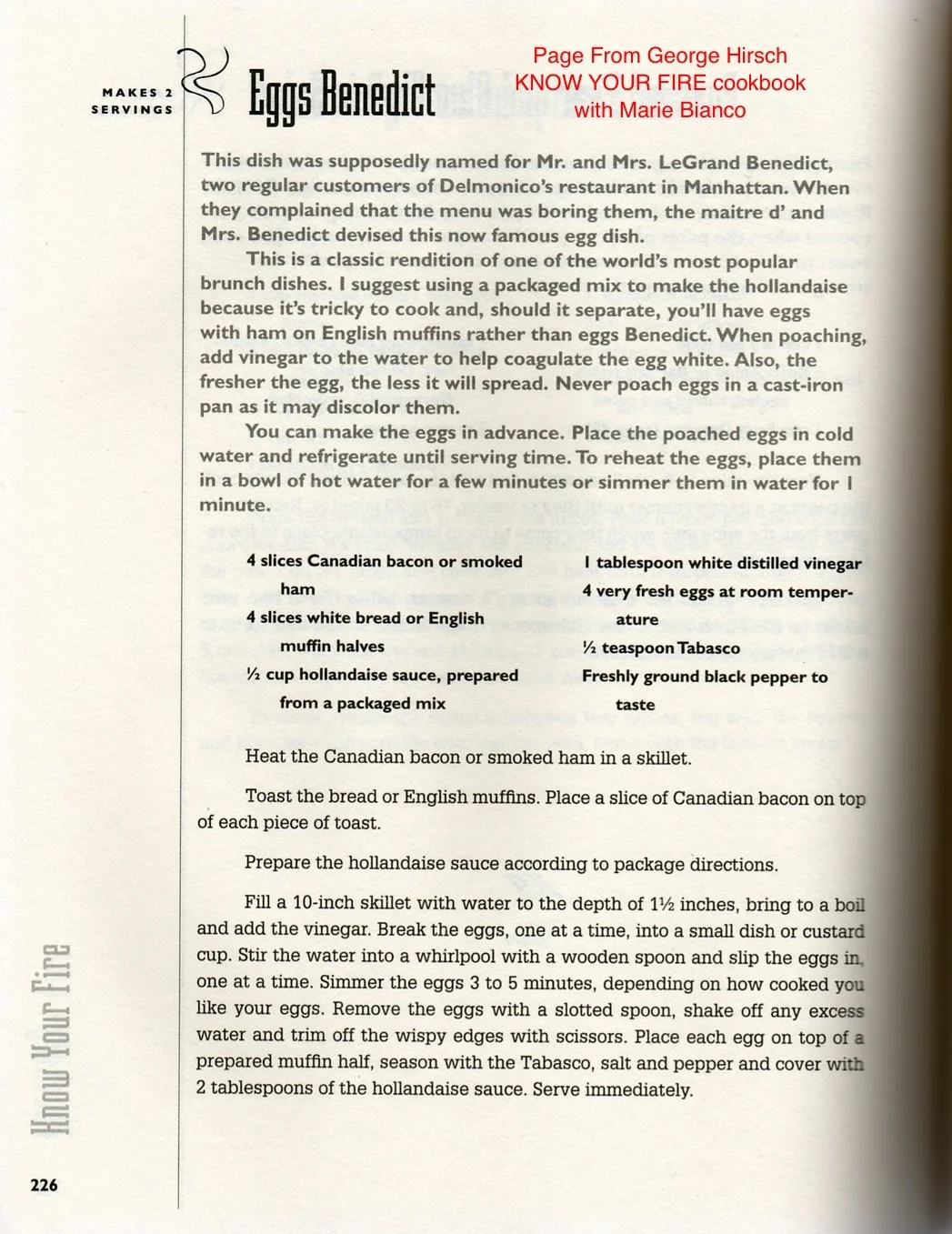
When eggs are this good they need to take center stage, or center of the plate. So here's my Eggs Benedict Recipe, taken from Know Your Fire cookbook by George Hirsch with Marie Bianco.

eggs-benedict.jpg

Know Your Fire cookbook by George Hirsch with Marie Bianco