Traditions for Health, Wealth and Good Fortune

For many Americans, New Year's means parties, football, and watching the ball drop in Times Square. But to others here and around the world the celebration wouldn't be complete without certain delicious traditional foods.

Black Eyed Peas are a centuries old New Year's tradition in many countries, served to ensure health, wealth and peace for the coming year. A traditional southern New Year's dish is Hoppin' John-black eyed peas and ham hocks. An old saying goes, "Eat peas on New Year's day to have plenty of everything the rest of the year."

The age old celebration in England and Scotland called the 'First Footing' continues today and always includes a bowl of black eyed pea soup along with a drink to toast the new year at midnight. In the old days people would gather coals from their hearth just before midnight and set out to visit friends in the first minutes of the new year. The first person to step through the door of the family they were visiting was called the 'first footer' and was believed to set the luck for the coming year. This person would present the spent coals they had gathered to the woman of the house who would store them away and use them to start the next New Year's fire. The first footer would get kisses and a hot bowl of black eyed pea soup. First Footing traditions were brought to the U.S. by European immigrants and are still practiced especially in the South and Northeast. With all variations black eyed peas are served for good luck and good health. Sometimes rice and black eyed peas with cabbage or collard greens are served. The rice symbolizes richesblack eyed peas for peace, and cabbage or collards symbolize money in the coming year.

Kwanzaa, the African American holiday beginning December 26 and lasting seven days, often includes black eyed peas at New Year's. Each evening the celebration focuses on one of seven principles beginning with unity and ending with faith. On New Year's Eve a feast takes place with each person bringing a dish to share. These dishes often include baked black eyed peas, pickled black eyed peas, black eye pea salads, and 'Hoppin' John', a thick stew with many variations that always includes black eyed peas.

In Texas the New Year's tradition may include Texas Caviar, a salad made from black eyed peas, hominy or sweet corn, vegetables and vinaigrette.

Many Japanese foods also are served to bring health, wealth and peace to the new year, including soba (buckwheat noodles), black soybeans, and miso soup. In Japan 'O-Shogatsu' or New Year's begins on December 31 and continues for almost two weeks. Before New Year's Day all bills are paid or current, and houses are cleaned from top to bottom, sweeping out the energy of the old year. At ten minutes to midnight everyone enjoys a simple bowl of long cut soba noodles in a broth made only with water, kombu sea vegetable and shoyu soy sauce, garnished with scallions. It is eaten through the first few minutes of the New Year to ensure longevity and prosperity.

Many Italian people welcome the New Year by tossing old things out of their windows to make room for the new and lucky to enter their households and lives in the year to come. More traditionally, the Italian people eat a dish called Cotechino Con Lenticchie: pork sausage served over lentils. This dish is eaten because of the presence of fatty rich pork sausage and lentils in the dish. Cotechino sausage is a symbol of abundance because they are rich in fat; while the coin-shaped lentils symbolize money.
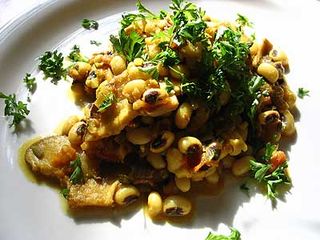
Hoppin John

Makes six servings | Recipe by Chef George Hirsch

1 pound dried black-eyed peas 

2 ham hocks, smoked 

2 medium onions, chopped 

6 cloves garlic, chopped 

2 bay leaves 

1 cup converted long-grain white rice 

10 ounces diced tomatoes with chilies, juices reserved 

1 large red bell pepper, finely diced 

3 ribs celery, diced 

1 jalapeno or Serrano pepper, minced 

2 teaspoons paprika 

3/4 teaspoon dried thyme leaves 

3/4 teaspoon ground cumin 

3 scallions, sliced 

hot red pepper sauce

In a large pot, combine the black-eyed peas, ham hocks, and 6 cups water. Add 1 chopped onion to the pot along with 3 cloves of garlic and bay leaves. Bring to a boil, reduce the heat to medium-low, and simmer gently until the beans are tender but not mushy, 2 to 2 1/2 hours. 

Remove and discard the bay leaves. Remove the hocks, cut off the meat in large shreds, and set the meat aside. Drain the peas reserving the liquid add enough water to liquid to make 2 1/2 cups of liquid to cook the rice. Add back to pot and bring to a boil. Add the rice, cover, and simmer until the rice is almost tender. 

In a sauté pan add olive oil, remaining garlic, onion, bell pepper, celery and jalapeno pepper. Sauté two minutes and add paprika, thyme, cumin and tomatoes. Add the cooked rice along with the peas. Top with sliced scallions and meat from the ham hocks. Serve with hot sauce on the side. 

Handmade Ravioli

This is a special dish I like to prepare around the holidays. Preparing handmade ravioli requires extra time and attention, but it's so worth all the effort. I have included a step-by-step for the dough and recipe for the filling. Maybe this week you can make an extra special dish for visiting relatives. Have everyone pitch in- the more cooking, the merrier. 

Handmade Ravioli Recipe, Filling and ravioli dough

Dublin Coddle Hotpot

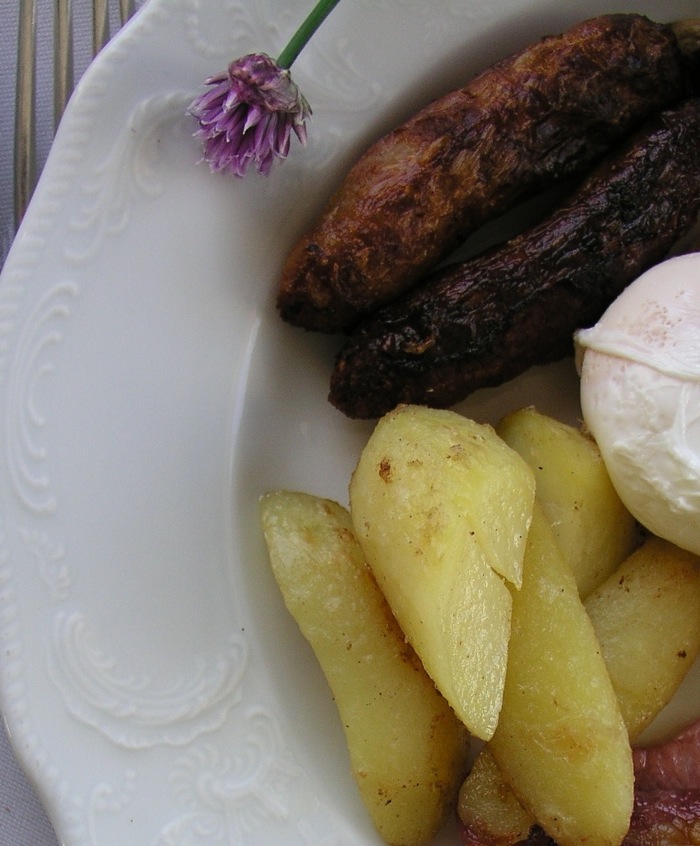
This traditional supper dish of Bangers (sausages), bacon, onions and potatoes dates back to the early eighteenth century. It was a favorite of Jonathan Swift, author of Gulliver's Travels and Dean of Christ Church Cathedral in Dublin. In Dublin, a coddle is a dish that can be prepared ahead of time and left to cook in a very slow oven, or a slow cooker. This is an ideal menu choice for when you can’t stand over the grill or oven to watch it cook. 

Comfort food at its best—I find this dish is also an easy prep, especially if you are out in the yard busy in springtime activities. Set up the dish, let it slow cook and you’ll have a meal ready for a crowd later in the day, or a few hours later. 

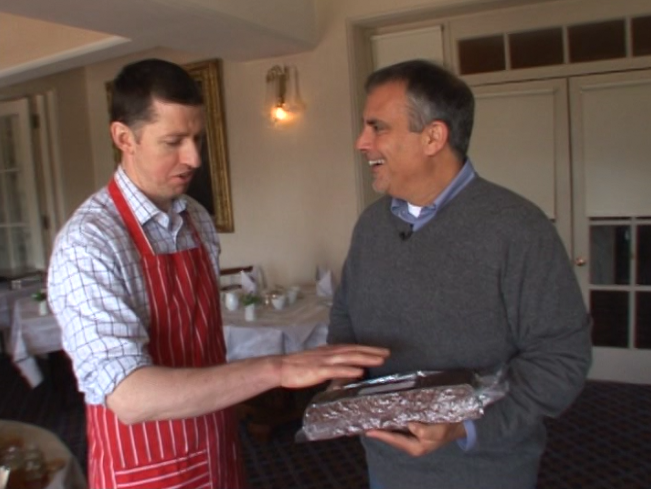
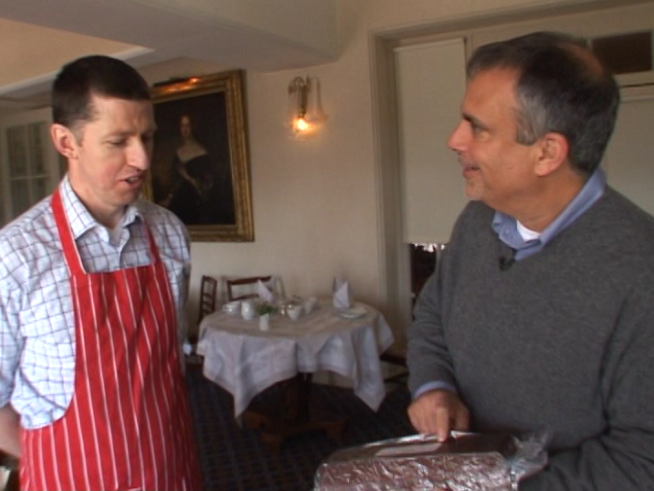
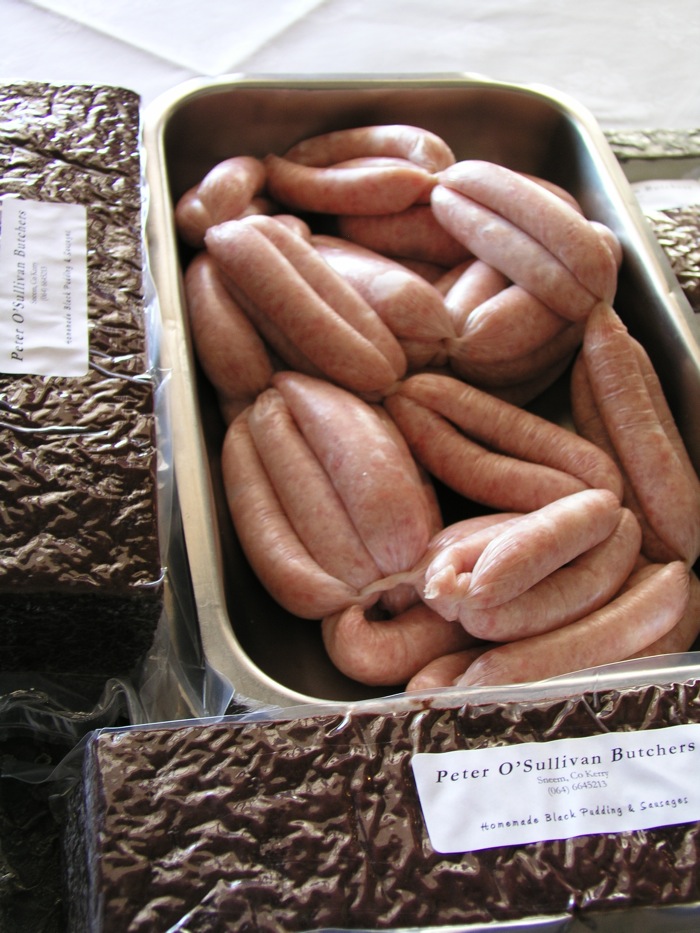
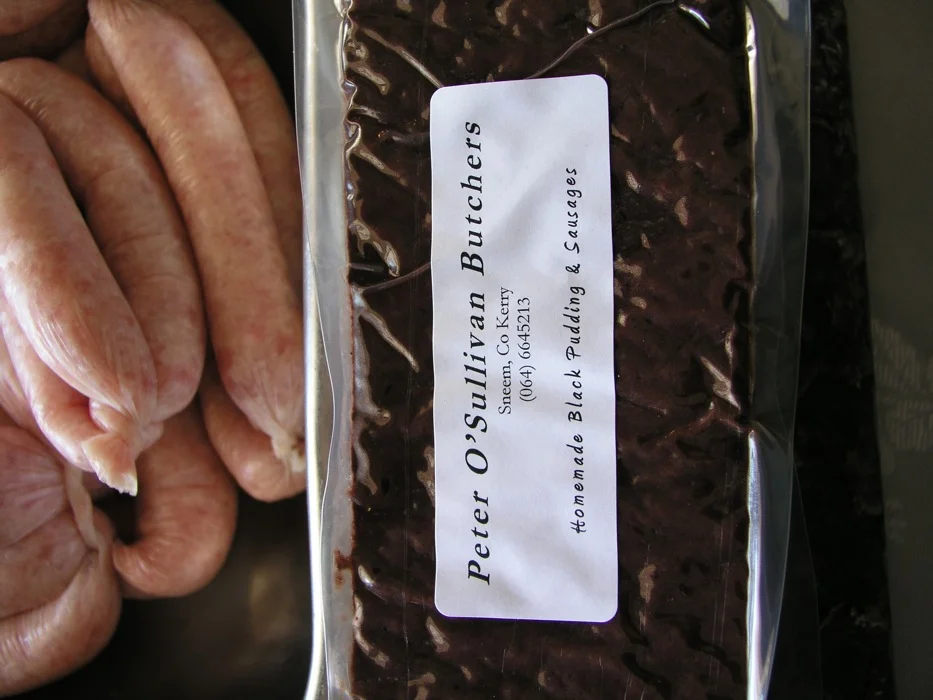
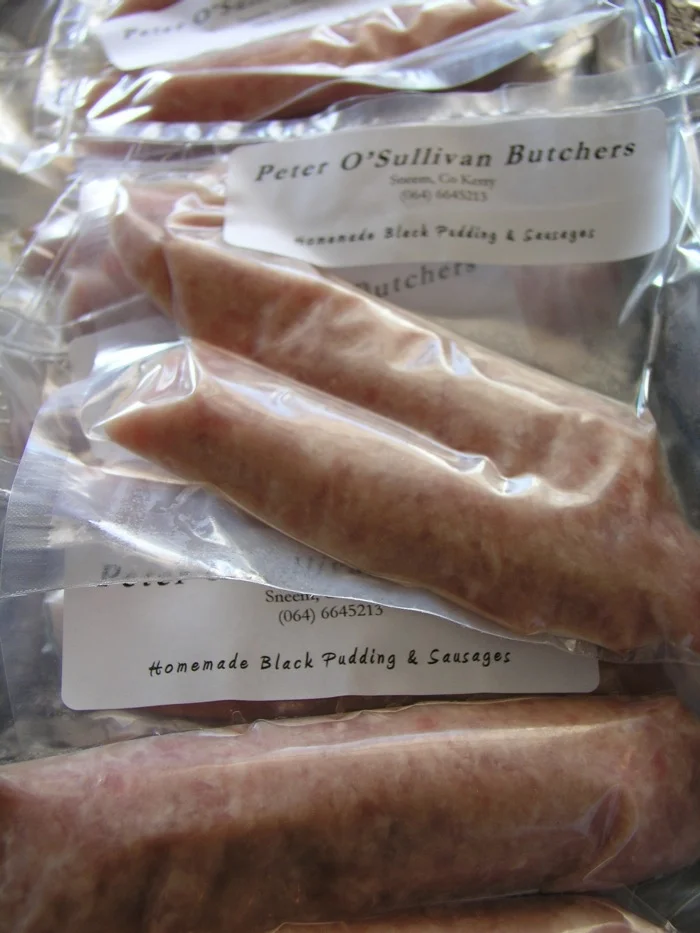
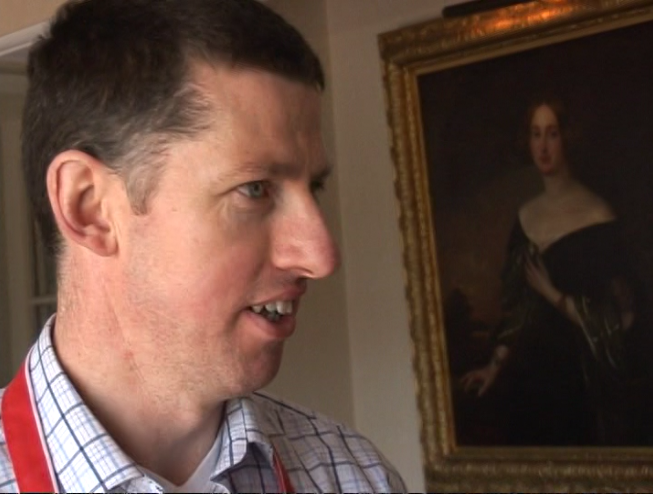
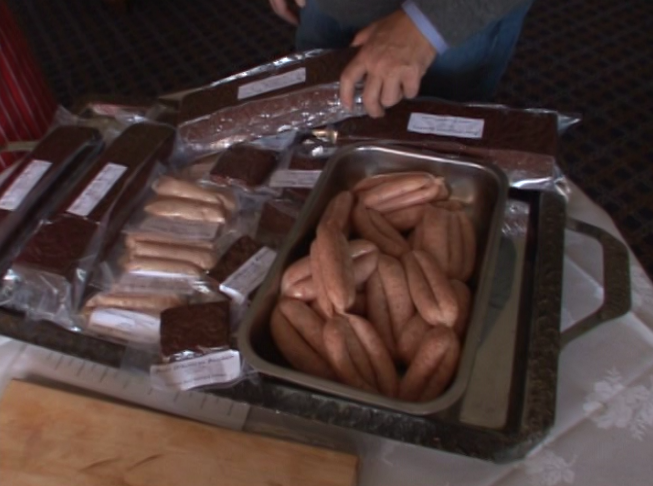
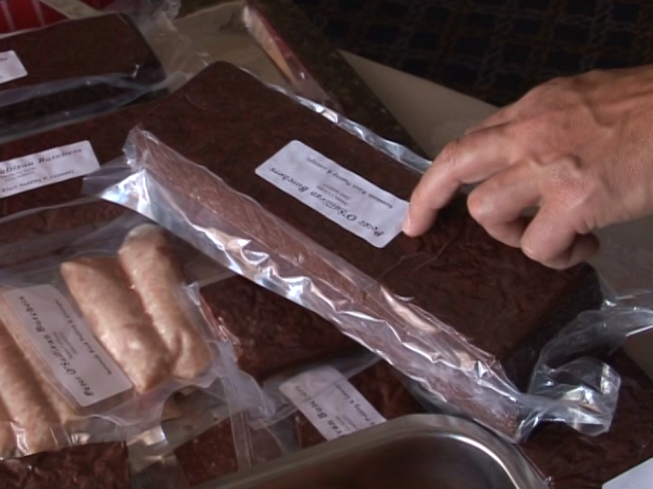
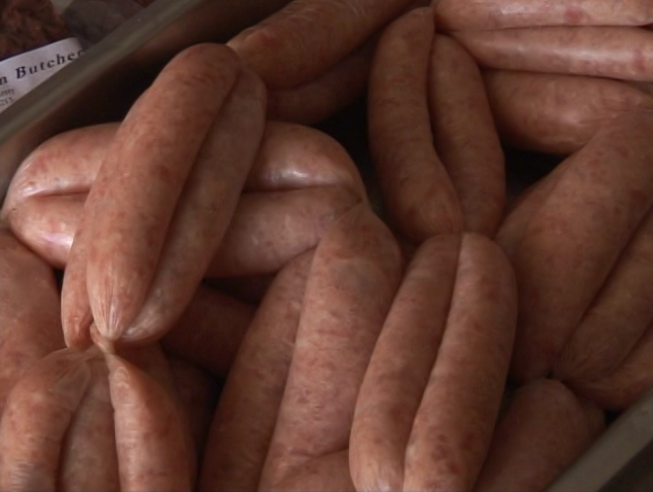
As common sense with ingredients in all recipes, the sausages in this dish should be the best quality pork sausages for optimum results. My butcher friend Peter O’Sullivan from Co. Kerry, Ireland figured if we paired his sausages and my grilling recipes we would have a hit! Peter also told me he is a third generation sausage maker and the only thing that has changed in the recipe in a hundred years is there is less fat and the ingredients were pretty simple, no preservatives.

Note: Coddle means to cook slowly and gently below the boiling point.

Combining the flavor of the grilled sausages and slow cooking of the vegetables makes this hearty dish ideal for serving for a St. Pat’s celebration or on Spring's unexpected chilly nights. Keep it in a Dublin theme and serve with Guinness and brown bread. 

Dublin Coddle
Makes six – eight servings | George Hirsch

4 pounds Yukon or new potatoes, well scrubbed and cut into 2-3 inch pieces
1 pound pork sausages, grill until brown – not fully cooked, room temp.
2 large sweet onions, peeled and cut into two inch pieces
1 pound carrots, peeled and cut into two inch pieces
8 cloves caramelized garlic, puree with flat of knife 
1 pound slab bacon, sliced - browned - cut into one inch pieces
1 - 2 cups beef or chicken broth, variable 
1 cup Guinness or use additional broth
4 Tablespoons fresh flat leaf Italian parsley, chopped
1 teaspoon fresh thyme
Fresh ground black pepper 

After grilling and chilling sausages, it may be left whole or cut into smaller pieces, depending on the size of sausages on how you are serving this dish. I also like leaving the skin on the potatoes for added flavor and nutrients.

Layer ingredients into a cast iron pan with a tight fitting cover, or a slow cooker in this order: onions, carrots, bacon, sausages, potatoes, pinch of thyme, parsley and pepper. Repeat until all ingredients are used up. In a small sauce pot, mix caramelized garlic with broth, heat to simmer, then pour the broth and Guinness over the top of sausage and vegetables. 

Slowly cook on a low temperature grill on indirect heat for three hours (cover closed), or 300 degree F oven for 3-4 hours or in a slow cooker on low for 7-8 hours, or high for 3 to 4 hours. After a couple hours, occasionally check the liquid in the bottom of the pan to make sure there is at least 1 inch of liquid remaining in the bottom at all times. Add additional broth as needed. 

Serve immediately.

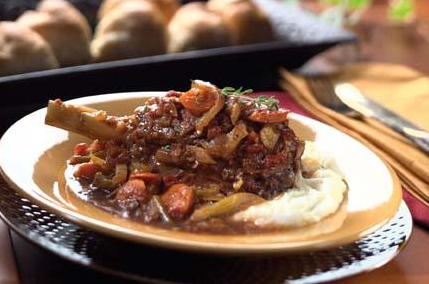
Lamb Shanks and Potatoes

Braising adapts so well to outdoor cooking, especially this time of year when you won't have to stand over the grill 'on watch' flipping the fish or steak at just the right moment. Braising on the grill allows you to kick back and walk away while a dish such as lamb shanks cook - low and slow. Just brown the lamb shanks on the grill, and continue with the recipe; cooking as directed in a heatproof casserole pot or finish braising the lamb shanks in a slow cooker. 

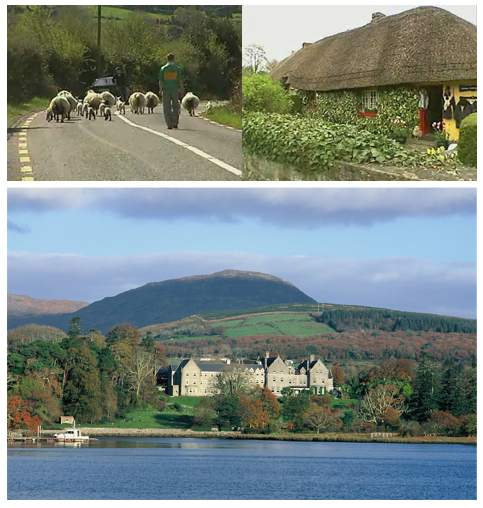
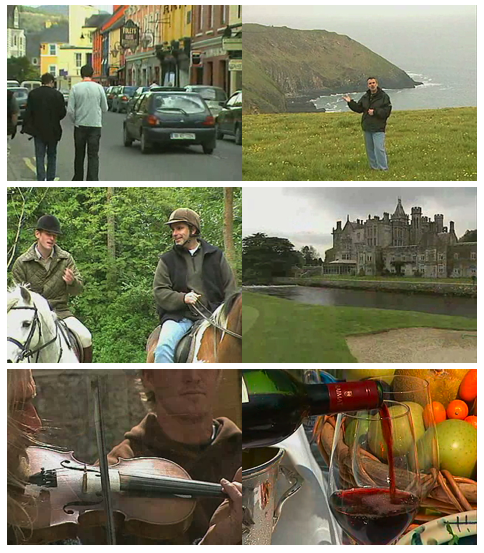
A trip to Ireland is not complete without at least visiting a local pub and hearing a tale or two, listening to local music, and of course the local cusine. In addition to famous irish breakfasts that are second to none the seafood of Bantry, or the lamb of Connemara with a natural thyme, sage and rosemary flavor.    

Noteworthy: Ireland's world famous Connemara Lamb

The Connemara region in Ireland is world renowned for its mystical beauty, rolling valleys, hills and lakes. This region is often shrouded by the moist mists of the North Atlantic which enhances its spectacular beauty and aids in the growth of its many wild herbs, grasses, heathers and wild flowers all of which are part and parcel of the stable diet of Connemara Lamb. 

Lá Fhéile Pádraig, Gaelic for Saint Patrick's Day and in honor this month's celebration—Pionta Guinness, le do thoil. Sláinte! That's, a pint of Guinness please and cheers!

Lamb Shanks and Potatoes

Recipe by George Hirsch | Makes four servings 

George Hirsch Living it UP! TV series  | chefgeorgehirsch.com 

4 whole lamb shanks
2 Tablespoons olive oil
1/4 cup carrots, chopped
1/4 cup onion, chopped
1/4 cup peas, frozen
1/4 cup celery, chopped
10 cloves garlic, peeled and sliced
1/4 cup Balsamic vinegar
1/4 cup tomato sauce
2 cups chicken broth
1 Tablespoon rosemary
1 teaspoon thyme
2 cups mashed potatoes

Preheat large saucepan.

Add olive oil and brown meat on all sides.  Add onions, garlic, carrots, celery and cook until light brown.  

Add vinegar and reduce for two minutes.  Add tomato sauce, broth, rosemary and thyme.  Cover and cook meat for two hours at a gentle simmer.  

The lamb shanks are fully cooked when the meat becomes flaky and shrinks away from the bone. Add peas to the lamb shanks and vegetables. Cook for 5 minutes longer.  

Serve the cooked Lamb Shanks with sauce and vegetables on top of hot, steamy smashed potatoes.

Smashed Potatoes Recipe, CLICK HERE.