Know Your Fire

Join me several times weekly on CreateTV + plus check local PBS listings

Be very careful saying BBQwhen you should be saying grilling - especially in BBQ country.

BBQ: It's a science of cooking protein by indirect heat, with dedication. I emphasize the word dedication because there is NO speedy way to BBQ. Two words, low and slow. I spent many years teaching the art of heat and fire, and in this case Q. There really is so much to learn and each Q occasion is always an unique experience with many factors; like air temperature, humidity, moisture, wind, etc. One of the best ways to Know Your Fire is to experience it first hand. It's one of those things you intrinsically feel and only come to understand when you are in the fire pit - so to speak. I tip my hat to all pitmasters. 

Grilling: This is the way most people will cook with their backyard grill; grilling proteins such as burgers, steak, chicken, seafood, as well as veggies. This is the use of direct heat cooking at a higher temperature for shorter cooking times over the fire. Again, practice makes perfect, so there's no time like the present to learn or expand your current grilling skills. 

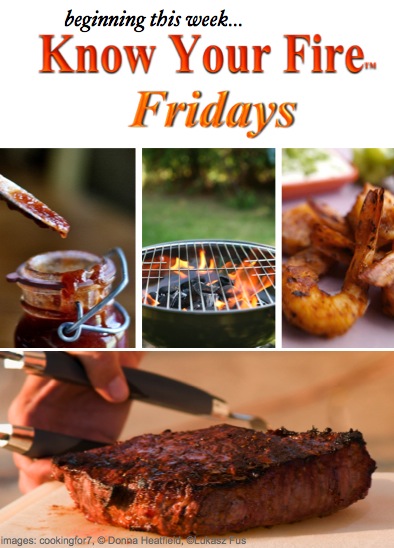
Every Friday I will dedicate Daily FOOD posts to Know Your Fire Fridays; which happens to be the title of my fourth book and fourth PBS TV series. So whether you are a weekend griller or well seasoned in Q - I will be glad to share my tips and tricks with you right here.

This week let's start off with my Bourbon Sauce. I dedicate this recipe to my friends in Kentucky; the inspiration for this recipe. I've used this as a great finishing sauce for most proteins; including beef, pork and chicken.

Hope you have a great weekend! 
george-hirsch-week1.jpg

Bourbon Sauce

Makes 5 cups

chefgeorgehirsch.com | George Hirsch Lifestyle

1 cup Dijon Mustard

1 cup steak sauce

1 cup bourbon 

1 cup honey

1 cup ketchup

1 Tablespoon orange zests

Juice of one lemon

Juice of one orange

In a small saucepan, combine all of the ingredients; simmer gently for 4-5 minutes. Serve with ribs, steak, or grilled meats.

Patatas Bravas

Join me several times weekly on CreateTV + plus check local PBS listings

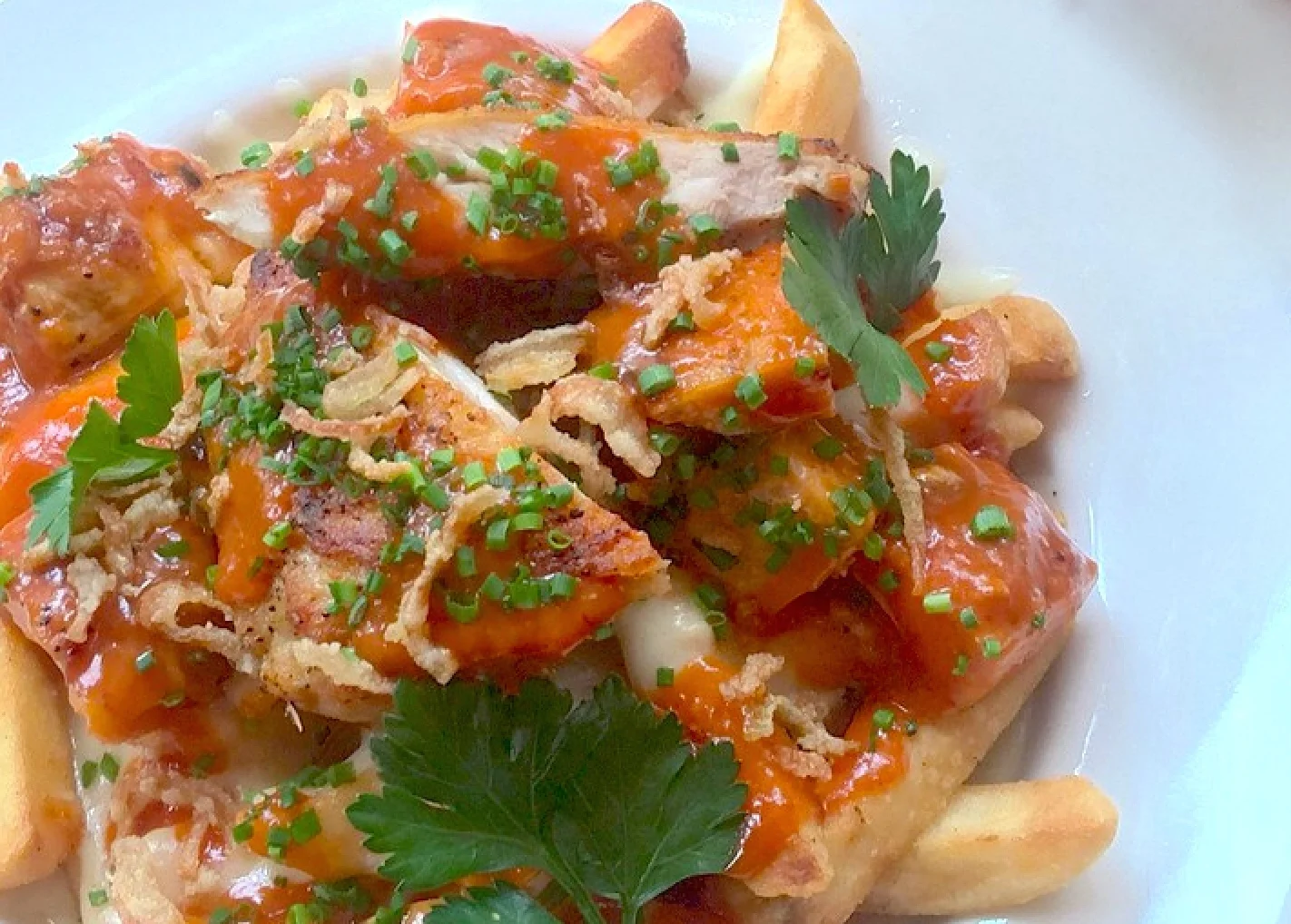
This past week has included yet another food celebration with the national French fry week, which I prefer to call Pommes Frites. But for a more flavorful spud I offer a dish called Patatas Bravas

Patatas Bravas

Legend has it that patatas bravas came about at Barcelona’s Bar Tomás. Native to Spain also called patatas a la brava or papas bravas. Simply served topped with a sauce mixed with a little flour and chile and paprika. That mix was the original salsa brava; an easy dish and cheap sauce.

As a low cost high appeal tapas dish the boiled then fried potatoes can be found today served in an infinite number of ways. My favorite is with a sauce of tomato based chicken broth, vinegar, red pepper, paprika and chili pepper sauce. Topped with a good garlic aioli, frizzled onions (french fried onions), and fresh chopped spring chives.

Castraure

Join me several times weekly on CreateTV + plus check local PBS listings

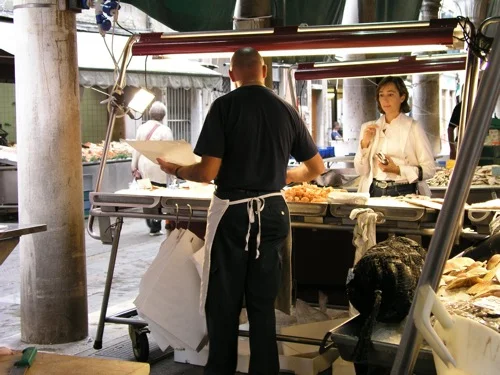
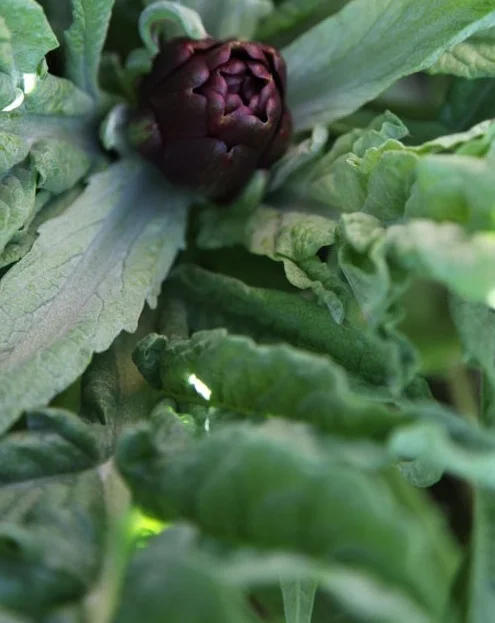
The isles of the Lagoon of Venice, and the Venetian coastal area is famous for its high quality castraure (baby artichokes). They are much smaller than Globe or Roman artichokes, and because of their size, they are very tender and flavorful.

castraura.jpg

The castraure are the first buds to come from the plant each year. A single artichoke plant produces more than one hundred hearts of artichokes. The most famous island for castraure production is the isle of Isola di Sant'Erasmo.

St. Erasmus is the largest island in the Venetian lagoon, only sparsely populated. In Venice's countryside, this agricultural area produces the renowned castraure. Unlike all of Venice’s canals and buildings, St. Erasmus’s landscape is flatlands with rural farms and homes; a pleasant change from the St. Marks Square crowds. 

Although castraure are only a spring time delight and hard to get outside the markets of Venice, there is an ample supply of Globe Artichokes in the U.S. from Castroville, Monterey County CA. Including soon to be available frost-kissed. Yes just as good, but somehow not quite the same as when I eat them canal side in Italy!

artichoke-georgehirsch.png

Buying Tip:

Select plump and heavy artichokes for the size with thick, green, tightly clinging leaves. 

It's ideal if you can get “frost-kissed artichokes". Fall and winter artichokes are usually darker or bronze-tipped with a whitish, blistered appearance because of frost, so-called "winter-kissed." These are the most tender with intense flavor. Look for tender green on the inside of petals. Frost-kissed artichokes are available only when temperatures in the growing area falls below 32 degrees.

Carciofi Fritto

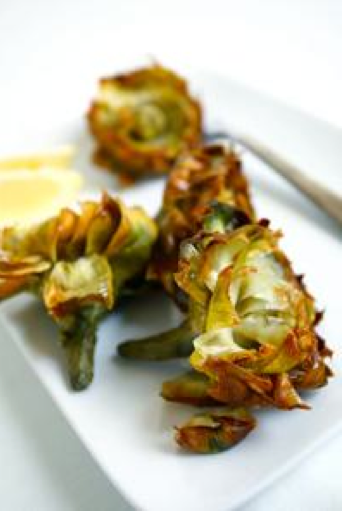
Cut baby artichokes lengthwise into two parts, then split into wedges. Toss artichokes in paper bag with flour, remove from bag and dip in gently beaten egg whites. Then dip in beaten egg yolks seasoned with pinch of fresh thyme, sea salt and black pepper. Put the yolk covered artichokes back in paper bag with more flour. Shake off excess flour and gently lay the pieces one by one in a pan with hot oil. When they are golden color remove.

Serve immediately with fresh lemon wedges and lemon aioli. 

My Classic Aïoli Recipe

chefgeorgehirsch.com | from George Hirsch Living it UP! cookbook 

*8 large garlic cloves, peeled and roughly chopped
Coarse sea salt
1 Tablespoon Dijon Mustard
3 large egg yolks, at room temperature
1 1/2 cups extra-virgin olive oil
Juice of 1/2 fresh lemon
A couple drops of water
Fresh ground black pepper

Always use caution with raw eggs. And this sauce must be kept chilled after it is prepared. 

In a food processor or preferably a mortar pound the garlic cloves with pinch of sea salt and Dijon mustard until a thick paste forms. Add in the egg yolks and begin adding in the olive oil a few drops at a time with a fork or whisk. Continue to add the olive oil in a steady stream as the aïoli begins to thicken. Stop and add a few drops of lemon juice, gradually add remaining olive oil and a few drops of water if the sauce becomes too thick. When all of the oil has been incorporated, season the aïoli with additional lemon juice, sea salt and pepper to taste.

Serve chilled. The aïolii can be tightly covered and refrigerated overnight. 

*A classic aïoli is made with raw garlic but again I prefer using caramelized garlic in place of raw garlic which offers a much sweeter and nuttier taste.