Spice Vs Herb

Spice vs. Herb

The main difference between herbs + spices is rather subtle.  Spices tend to come from plants grown in tropical climates where as herbal plants can be grown in many climates. Most herbs come from the green parts of a plant such as the stem and leaves while most spices come from the root, seeds, bark or flowers of a plant.

A spice is the dried part of an aromatic or pungent vegetable's bark such as cinnamon, fruit such as fennel, root such as ginger, flower such as saffron (the stigma) and the seed like mustard. These substances are then dried and used for enhancing flavors in cooking + baking.

Herbs stemming from leafy greens are used mostly for finishing a dish's character in a more fresh and subtle way. Some herbs I use nearly everyday are basil, parsley + thyme.
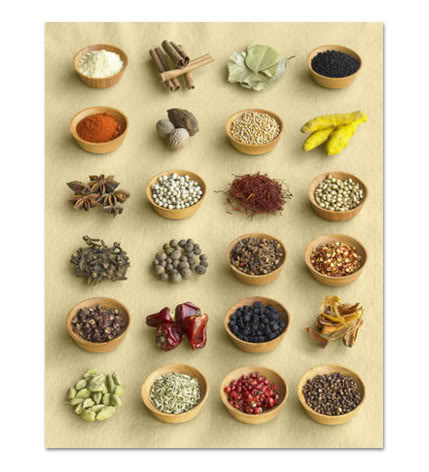
What may first come to mind when you see the word 'spicy' is that it will burn the tongue right out of your mouth; but I assure you that is not necessarily the case. This is a topic I'm very passionate about and have written about in all my books. 

Spice mixtures, are the blending of the right amount of spices to create just the right taste sensation. This ancient culinary art has been used for centuries by numerous cultures that clearly knew that using spice blends is an ideal way to season foods beyond salt + pepper. Some good examples of blends are - a Five Spice Powder (China), Curry (Indonesian), Herbs de Provence (Southern France) + Poultry Seasoning (US).

Blending spices began for me with my passion for outdoor cooking on the grill. I found that if I used a combination of dried spices it produced an appealing enhancement to foods prior to grilling. 

Of course, not only using the right blends are important, but so is adding them well in advance of lighting the fire. In some cases a large piece of meat such as a Texas brisket would be seasoned some five days prior to meeting up with fire. Another benefit of rub blends is that they are salt free.

I am delighted that in today's times people are seeking out more flavorful foods in even the most simplest of meals. 

Agretti

Agretti, meaning little sour one, is a salty-like heirloom herb with a succulent texture and a pleasantly acidic bite. I predict agretti soon to be a very popular green in the US. Originating in the mediterranean, it is now being harvested in California and available at Italian specialty markets. You may also see it identified at roscana aka in Italy.

It has a short harvest season in early spring. You'll find them packed in bunches that resemble the grass like look of spring chives. Agretti is best eaten when young and enjoyed fresh or cooked. 

Simply served chopped and tossed fresh in mixed salads for a slightly salty crunch. To cook, chop and sauté with olive oil, garlic and pepperchino as great by itself or mixed, better yet served with a little fresh pappardelle

Agretti's botanical name is Salsola soda, a relative to the tumbleweed, Salsola tragus. Ukrainian immigrants settling in the Great Plains are thought to have brought these plants to establish their fragile roots into U.S. soil.

A bit more:  Agretti should not to be confused with Russian Thistle - the plant commonly known as Tumbleweed. You wouldn’t want to eat it, the thorns on Tumbleweed would be a little rough on the digestion, even though in times of drought ranchers of yesteryear fed it to cattle during excessive droughts.

Honey I Love You

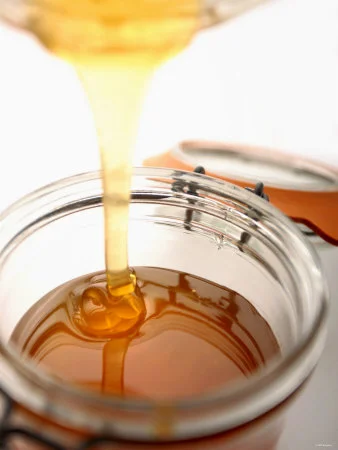
Your body is a marvelous machine that deserves optimum fuel everyday in order for it to perform its best. Why not take today, Valentine’s Day + treat yourself to sweet goodness. Yes, yourself. Treat yourself to something that's good for you. I'm thinking enjoying some honey - it's one of my top food picks.

Eat it local. it's so good for you, especially when made by your local bees. Much like how wines differ in flavor according to where the grapes are grown, so does honey. The benefits, in addition to building your immune system and an all natural aid to outdoor allergies; honey is one of the most precious all natural sweeteners on the market. 

Take good care of yourself + keep spreading the love. Happy Valentine’s Day!

organic-honey.jpg
13 EPISODES on 4 HD-DVD Disk Set, season one
$19.95

AS SEEN ON PUBLIC TELEVISION & CREATE TV- SEASON ONE
FEATURING CHEF GEORGE HIRSCH DEMONSTRATING HIS SAVORY COOKING, BAKING AND GRILLING RECIPES; WITH HIS EXPERT CULINARY TIPS & TECHNIQUES, ALONG WITH VISITS TO HIS INSPIRING HAMPTON LOCATIONS.

Buy Her Some Gold

Not so sure how well this will go over as a Vatlentine's Day present - but it could be accompanied by grilled steaks for two, a bottle of wine, candlelight + chocolates.

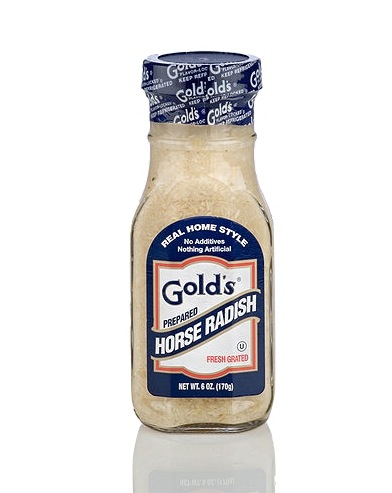
Circa 1932, New York's own Gold's Pure Food Products Horseradish is an important staple + condiment to have in the refrigerator. It can jazz up dressings, sauces and put a nice spin on a serving of mashed potatoes. Also it's great if you are committed to limiting the amount of butter to your meal portions. Horseradish also happens to be good for you too; it's fat free and less than 5 calories per tablespoon. If you don't have fresh horseradish on hand, the prepared version of grated horseradish is a great alternative.