Dublin Coddle Hotpot

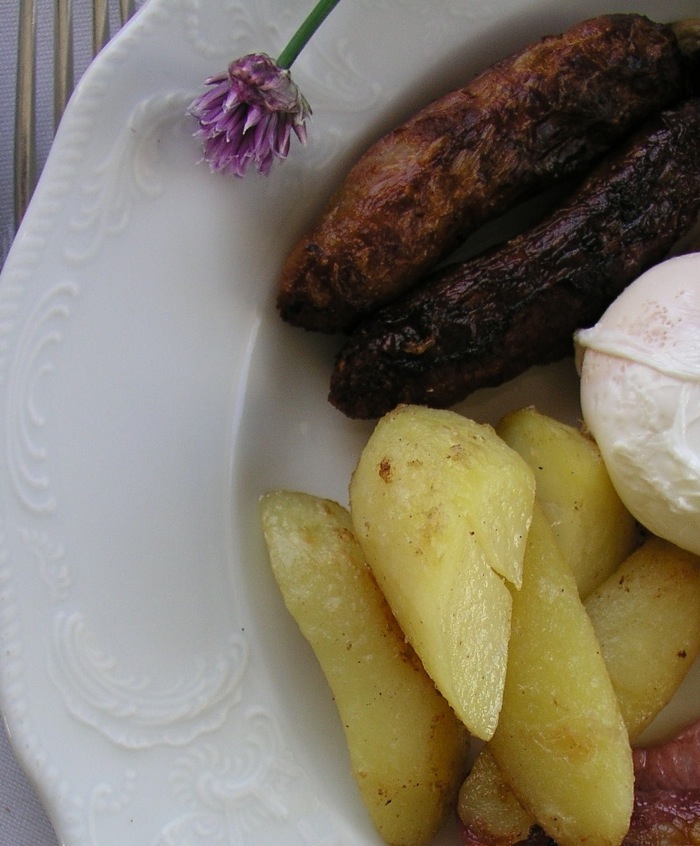
This traditional supper dish of Bangers (sausages), bacon, onions and potatoes dates back to the early eighteenth century. It was a favorite of Jonathan Swift, author of Gulliver's Travels and Dean of Christ Church Cathedral in Dublin. In Dublin, a coddle is a dish that can be prepared ahead of time and left to cook in a very slow oven, or a slow cooker. This is an ideal menu choice for when you can’t stand over the grill or oven to watch it cook. 

Comfort food at its best—I find this dish is also an easy prep, especially if you are out in the yard busy in springtime activities. Set up the dish, let it slow cook and you’ll have a meal ready for a crowd later in the day, or a few hours later. 

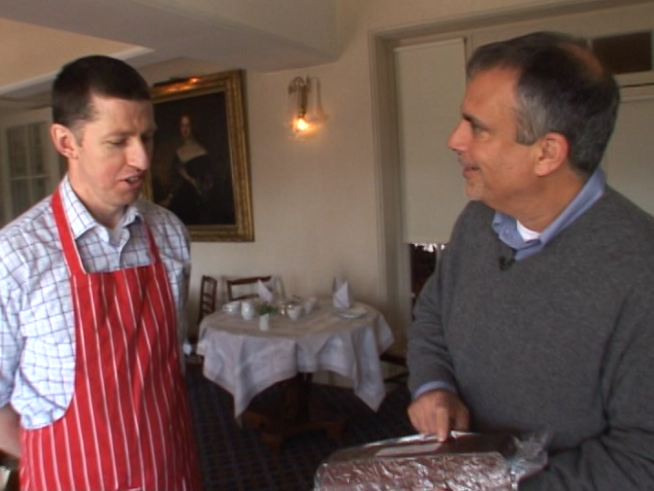
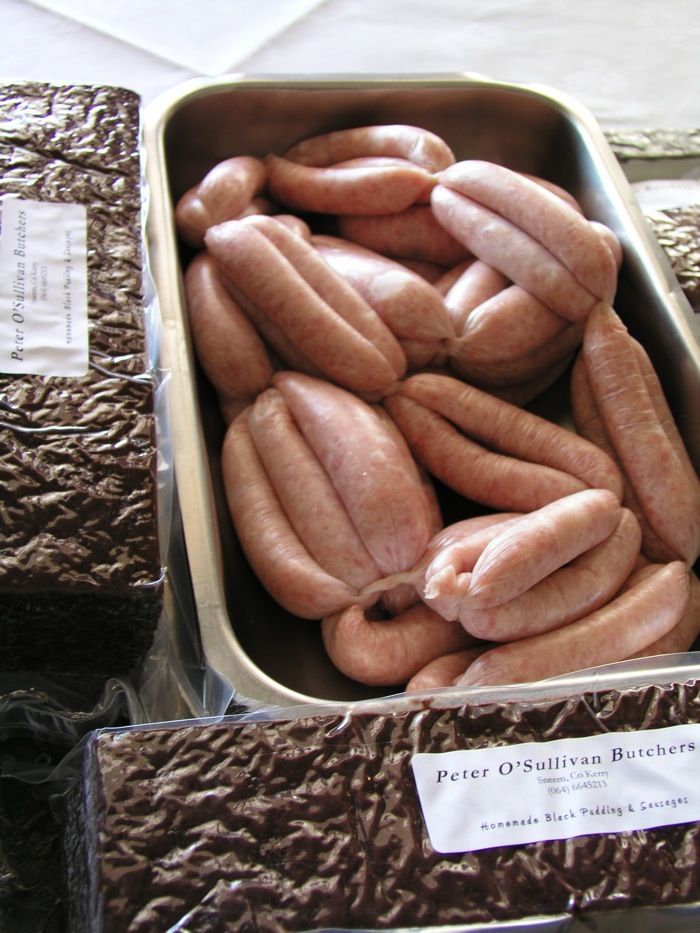
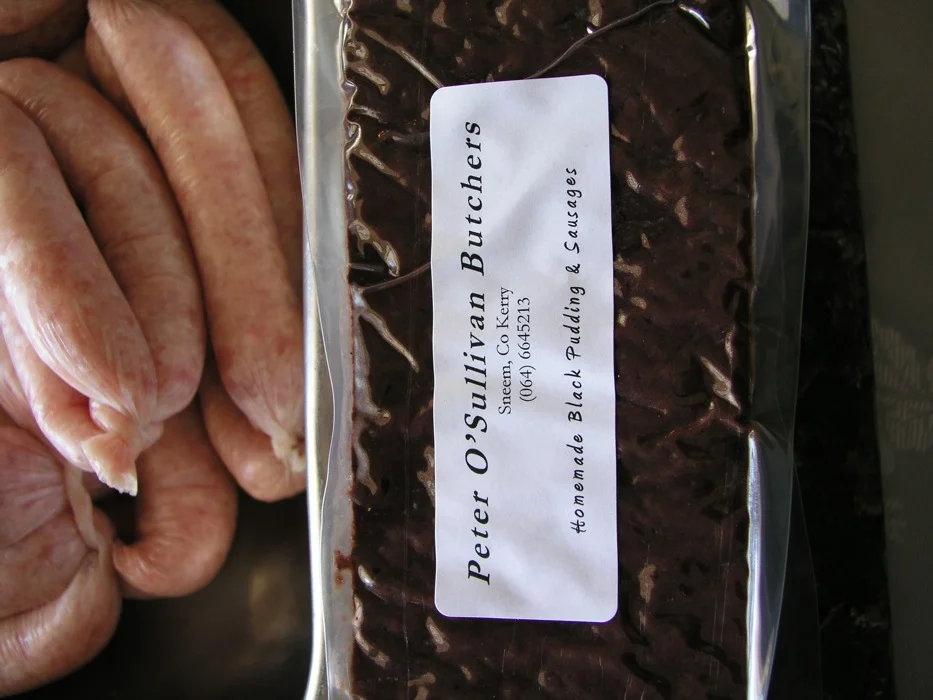
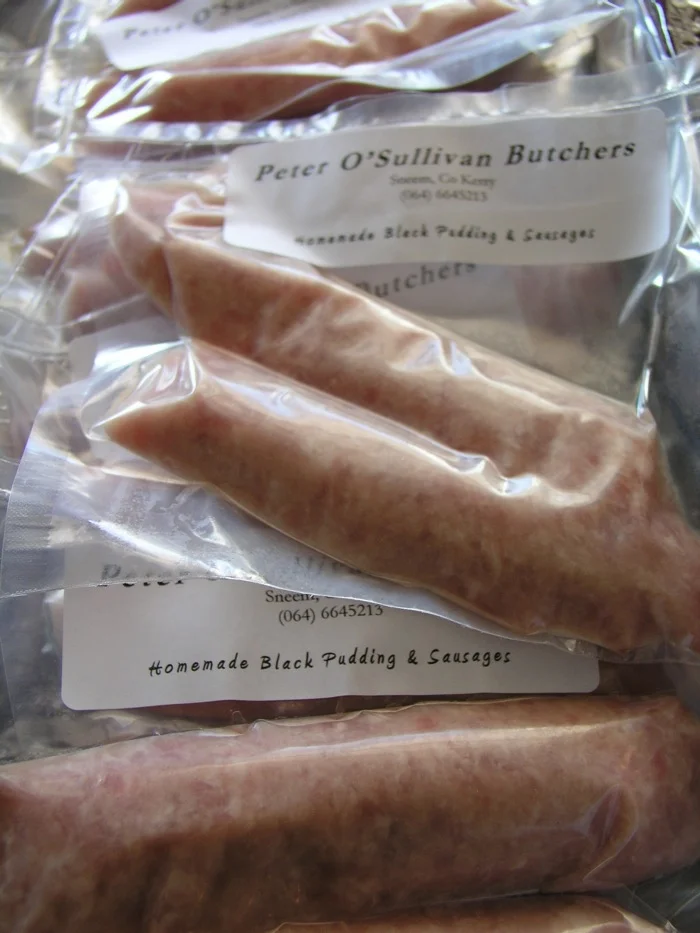
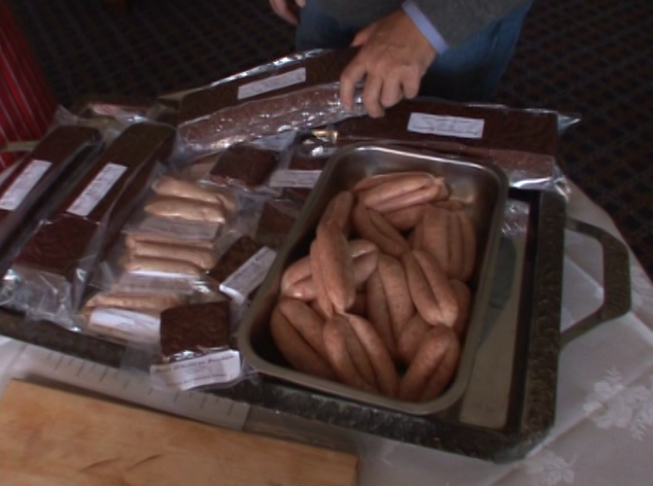
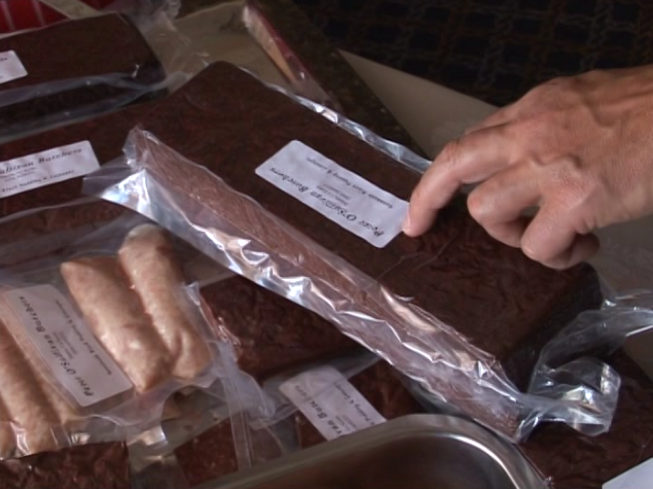
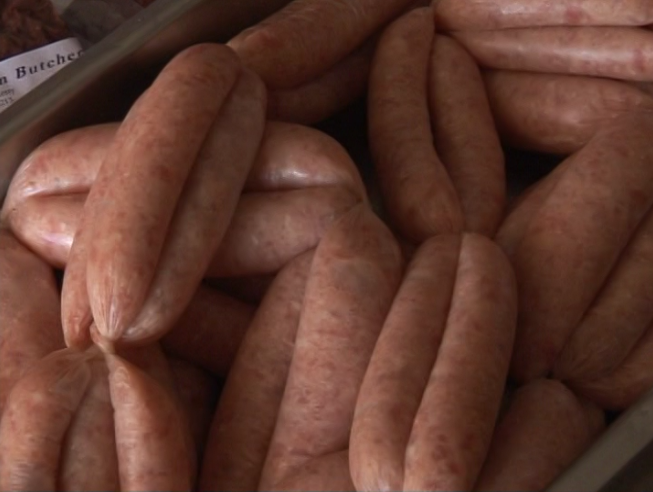
As common sense with ingredients in all recipes, the sausages in this dish should be the best quality pork sausages for optimum results. My butcher friend Peter O’Sullivan from Co. Kerry, Ireland figured if we paired his sausages and my grilling recipes we would have a hit! Peter also told me he is a third generation sausage maker and the only thing that has changed in the recipe in a hundred years is there is less fat and the ingredients were pretty simple, no preservatives.

Note: Coddle means to cook slowly and gently below the boiling point.
Combining the flavor of the grilled sausages and slow cooking of the vegetables makes this hearty dish ideal for serving for a St. Pat’s celebration or on Spring's unexpected chilly nights. Keep it in a Dublin theme and serve with Guinness and brown bread. 

Dublin Coddle
Makes six – eight servings | George Hirsch

4 pounds Yukon or new potatoes, well scrubbed and cut into 2-3 inch pieces
1 pound pork sausages, grill until brown – not fully cooked, room temp.
2 large sweet onions, peeled and cut into two inch pieces
1 pound carrots, peeled and cut into two inch pieces
8 cloves caramelized garlic, puree with flat of knife 
1 pound slab bacon, sliced - browned - cut into one inch pieces
1 - 2 cups beef or chicken broth, variable 
1 cup Guinness or use additional broth
4 Tablespoons fresh flat leaf Italian parsley, chopped
1 teaspoon fresh thyme
Fresh ground black pepper 

After grilling and chilling sausages, it may be left whole or cut into smaller pieces, depending on the size of sausages on how you are serving this dish. I also like leaving the skin on the potatoes for added flavor and nutrients.

Layer ingredients into a cast iron pan with a tight fitting cover, or a slow cooker in this order: onions, carrots, bacon, sausages, potatoes, pinch of thyme, parsley and pepper. Repeat until all ingredients are used up. In a small sauce pot, mix caramelized garlic with broth, heat to simmer, then pour the broth and Guinness over the top of sausage and vegetables. 

Slowly cook on a low temperature grill on indirect heat for three hours (cover closed), or 300 degree F oven for 3-4 hours or in a slow cooker on low for 7-8 hours, or high for 3 to 4 hours. After a couple hours, occasionally check the liquid in the bottom of the pan to make sure there is at least 1 inch of liquid remaining in the bottom at all times. Add additional broth as needed. 

Serve immediately.

More Than Potatoes

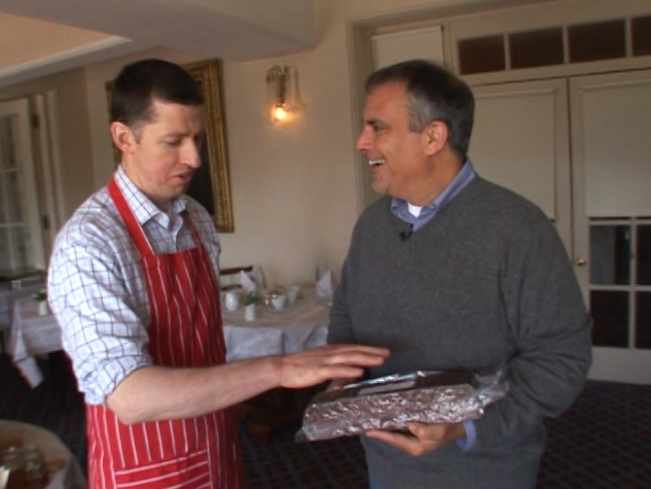
I had an enjoyable afternoon tea, at yet another one of my favorite Ireland locations with great history, Adare Manor, with mega TV chef and cookbook author Rachael Allen (Yes, the Allen Family from Ballymaloe). 

VIDEO: Watch the Segment. Rachel and I shared our foodie stories and the like beginnings in our culinary careers. See why Ireland's cuisine is more than just potatoes.

George Has Tea with Ireland's Rachel Allen

Typical Pub Lunch

There is so much more to celebrating St. Pat's Day than Corn Beef & Cabbage or Colcannon at a Typical Pub Lunch. Watch the TV Segment: and see why I keep returning to Ireland time after time, it's the people, places and stories. 

Here I am pulling a pint, which takes patience... about 3 minutes. Mike, the 3rd generation owner of the Collin's Pub in Adare, shows me the ropes.

Pulling a Pint in Adare at Colllin's.

Travel TV Segment: Adare, Ireland Pub Lunch

Top Chip

Over 1.2 billion pounds of potato chips are consumed each year in the US. Maybe that's why National Chip Day will be celebrated on March 14, 2012.  

With all the places I have traveled to around the globe there's a spud-of-a-common thread to all those destinations. You could say my common thread is the chip, or crisp, if you are in the UK and parts of the EU. I’ve de-bagged a couple in Greece, flavored with rosemary, very tasty. An interesting twist was the peri-peri version I noshed on in the outback of South Africa. And of course have nibbled on a few, purely for research in the US. Ahem. Sorry, those pre-formed spuds in a can just don't make the cut.

So what makes this the unique link to my travels? The seasoning usually becomes very localized, like ketchup or pickle flavored - a favorite with my friends up in Canada. Mostly, I like them plain-n-simple like the way they were origially made.

The original potato chip recipe was created in Saratoga Springs by another Chef George; George Crum and they were called "Saratoga Chips". It’s said Chef George came up with this crispy thin chip when soggy potatoes kept being returned to the kitchen from a Mr. Vanderbilt. The chip was such a hit they made it on the menu - full time. See sometimes good stuff can come from a flop!

In 1920, Frank Smith was one of the first to season a slice. Smith's crisps were originally packaged with a twist of salt in grease proof paper bags - and sold in London. Smith’s today is known as Walker’s Crisps. Other than salt, the potato chip remained unseasoned until an innovation by Joe "Spud" Murphy, the owner of an Irish crisp company called Tayto, developed a way in the 1950’s to produce the world's first seasoned crisps. Flavors; Cheese & Onion and Salt & Vinegar.

You may be asking, George I thought you only ate healthy? Yes I do, but part of a healthy eating regimen is moderation, not sacrifice. I enjoy a few chips with my healthy hummus dip. I also don't suggest parking in front of the TV with a 6 1/2 gallon can Grandma Utz’s Chips. 

My three 'Top Chip' picks:

- Utz has me sold for chips readily available throughout the US. 

- Recently, I came across a bag of Tiger Spuds—grown on the East End of Long Island, from Sagaponack's Foster Farm. Tiger Spuds have an earthier fresh potato flavor, and probably grown on the most expensive farm fertile real estate on the planet!

- So what’s my top travelled chip? Without a doubt the original "Cheese and Onion" made by Tayto. My crew introduced me to Taytos when filming in Ireland. It's time to go back, I finished my last bag. 

Dip Your Chip: 

George's Hummus 

Makes four servings | Recipe by Chef George Hirsch 

Serve as a dip or spread. Either way, it's a great healthy way to snack!

1 15-ounce can chickpeas, drained
3 cloves Caramelized Garlic (get this recipe)
1 Tablespoon tahini paste (optional)
1 teaspoon cumin
1 teaspoon hot sauce
juice of 1/2 a lemon
3 Tablespoons plain lowfat yogurt

Puree chickpeas in a food processor. Add garlic, tahini, cumin, hot sauce, lemon, and yogurt. Mix all ingredients well. Allow to set for 30 minutes prior to serving.

Tracklement

Tracklement, a term used almost exclusively in Britain; referring to any kind of savoury condiment served with sausages, potatoes and bubble and squeak or Ireland's Colcannon.

UK specialty producer, The Tracklement Company began with their award winning Strong English Mustard in the 1970s as somewhat of a challenge to make the English match of French's Moutarde à l'Ancienne (old-fashioned grainy Dijon mustard). Creator, William Tullberg, initially shared his homemade batches with a local pub and the rest is history. Demand dictated The Wiltshire England based Tracklement Company go full speed ahead into the condiment business for serious. This year will be their 40th anniversary. 

So what make's this mustard so special? A local farmer grows the yellow mustard seed for Tracklement only two miles away from the factory. The mustard seed is the highest quality, organic seed. The combined tradition of recipes and handmade techniques ensure the products are as good as homemade.

This strong, hot mustard follows the Victorian tradition of mustard making. Tempered by the judicious use of spices and vinegar, it is great with traditional English food such as hand-raised pork pies and good pork sausages!

 It's also excellent with turkey, pork and corned beef.

chefgeorgehirsch.com