Mr. Softee

OK. I admit it, I am a softie - didn't you know all chefs are sensitive? But I am referring to one of America's number one indicator of the summer season, the jolly jingle of the Mister Softee truck. Yes, I have featured the best gelato in the world, but the dipped cones and tall shakes from the Mister Softee truck hold a special place in most people's hearts, a bit of nostalgia. 

Here's the scoop on Mister Softee:

Back in 1956 soft ice cream was a big hit with the public, being sold exclusively in roadside stands and restaurants until Mister Softee took to the road with the first mobile truck unit. Mister Softee is America's oldest and largest franchisee of soft ice cream trucks. You'll find hundreds of Mister Softee soft ice cream trucks from coast to coast. Mister Softee was founded by two brothers, William and James Conway, in 1956. On St. Patricks day of that year - (Yet another connection to Ireland; It's following me everywhere.) Bill and Jim took their first truck and gave out green colored ice cream in the neighborhoods of West Philadelphia. 

For more info on Mister Softee

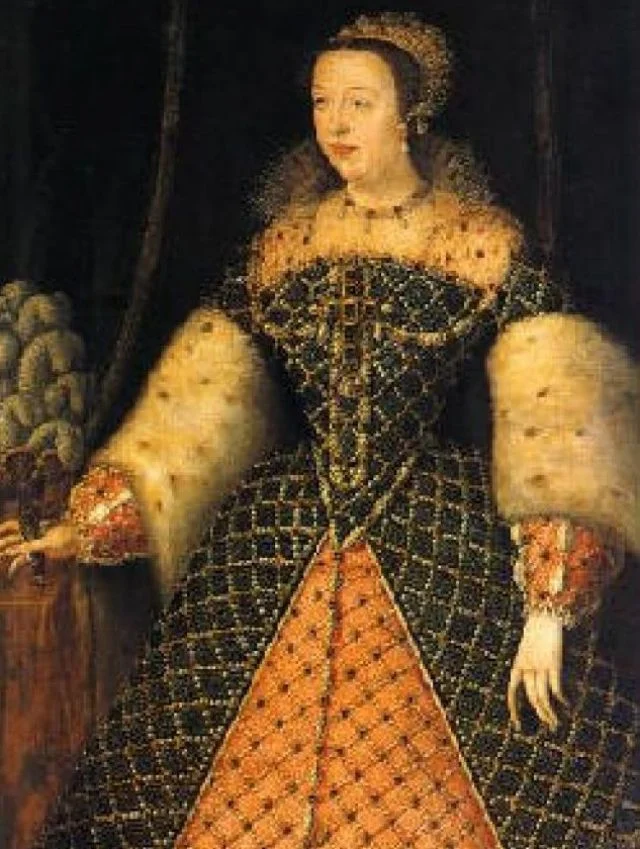
Caterina de’ Medici

Who comes to mind, if I ask..Who was the first celebrity chef? Julia Child. I’m sure. But I’m talking classics here...and that’s where we’ll travel to this week by exploring people who have made their mark on food and more importantly, the further development of cuisine. You could say I owe the starting point in my culinary career to them. 

An important figure of the Renaissance, Caterina de’ Medici became one of the first influential people in culinary history. She's known as the Italian Queen Mother of France's high cuisine; Caterina de’ Medici (1519-1589) of Florence. During the Italian Renaissance of the fifteenth century she imported a new style of refined cooking to France, as we know it today.

Caterina_Medici.jpg

In 1533, at the age of fourteen, Caterina married Henry of Orlèans; the future king of France. With that important event she brought a large group of cooks and servants to accompany her to France. The Florentine cooks who accompanied her immigrated a unique style of Italian cooking and ingredients to France; including peas, beans, artichokes, duck cooked in orange, aka canard a l’orange, and onion soup. The pastry cooks offered a style unknown to the French at the time; preparing pasta, pastries, sorbets, ice creams, marmalades, and fruits poached in syrup. This was a major turing point in cuisine for them. BTW, the frangipane tart is named after Sir Frangipani.

Caterina de’ Medici also established a new etiquette at the French dining table; by serving meals in courses, separating sweet and savory foods. Keep in mind at the time, sweets were still eaten at the same time with savory meat; that was the common in medieval times. I know a few people who may be fond of the later and rather start with dessert. At that time, French cooking already was evolving and the presence of this new style had an influence on the future of French cuisine. 

The people of France were taught Florentine elegance by Caterina as she introduced gracious table settings and dining habits, embroidered napery, along with silverware and hand blown glassware.   

Take part in the Italian Renaissance and prepare my Onion Soup Recipe. Just do as Caterina and serve with style.

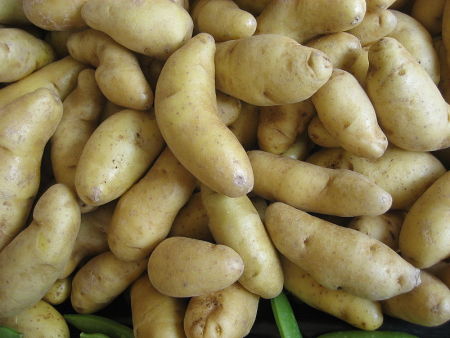
Pointing at Fingerling

Try something new when picking up a starch or side for tonight's meal. The fingerling potato, named after it's finger-like shape, is chock full of vitamins and mineral; especially vitamin C. With many varieties of fingerlings to choose from; each offer rich buttery flavor and taste well with many different cooking applications; such as boiling, roasting or grlling. With it's thin tender skin, just scrub, and leave the skins on. For the recipe. No need to get fussy, they tastes best in their original form. Simply roast with olive oil, rosemary and garlic.


Cinco de Mayo

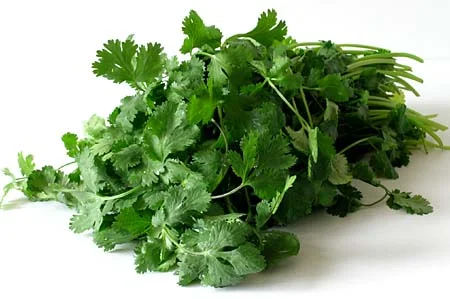
As one of the most popular herbs today because of its big, bold flavor - cilantro makes a statement with its leaves for Mexican cuisine, and coriander seeds in Middle Eastern cooking. Cilantro’s appearance may sometimes be mistaken for Italian Flat Parsley, but one whiff of its fragrance, will set you straight. 

Cilantro or Coriandrum sativum (for you Latin lovers) has medicinal properties that rivals its role as a spice. Cilantro has been used since before BC. as a digestive aid to relief indigestion, and recent studies show that cilantro also has anti-inflammatory properties as well. I hope by now you are understanding the connection between how good fresh herbs are for you - even beyond the kitchen. But you wouldn’t know that by seeing all those TV commercials pushing OTC meds.

This week Cinco de Mayo will be celebrated worldwide honoring Mexican heritage; marking the defeat of the French Army after invading the Americas. But believe it or not, this commemorative holiday is celebrated by more people in California than Mexico. And, many festive ways are used to mark the occasion beyond cervesa and tequila. Dances and music mark the occasion to preserve & educate the public of its historical significance and culture.

But as with any celebration, food does take center stage. So with honor to the Mexican people - May 5th, I give a nod to the big bold flavor of the cilantro leaf, also known as Chinese parsley.

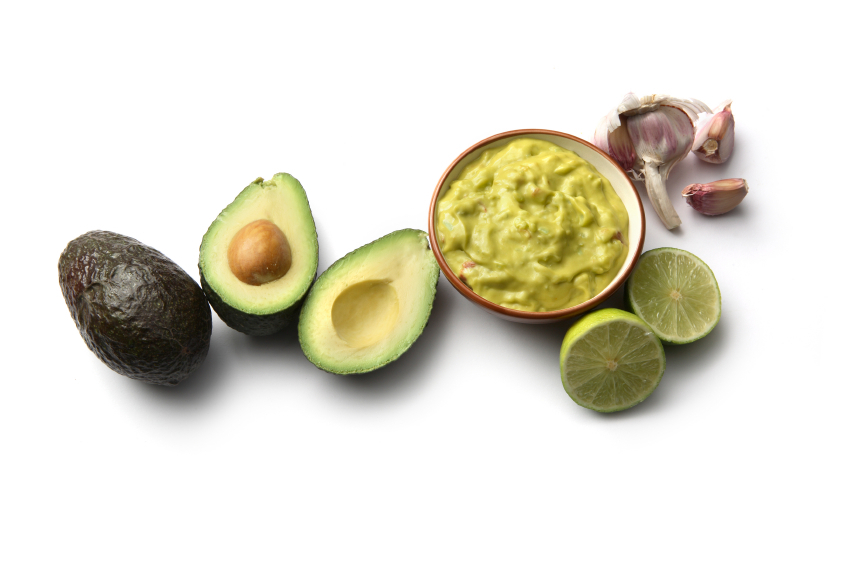
If you are looking for dishes with bold flavor; I created this for my visit on Live with Regis & Kelly. You will certainly want to try my Mexican Calzones. Yes, they are as good as it sounds! Enjoy the calzone with my 60 second guacamole, salsa and tomatillo dipping sauce

Herb of the Year

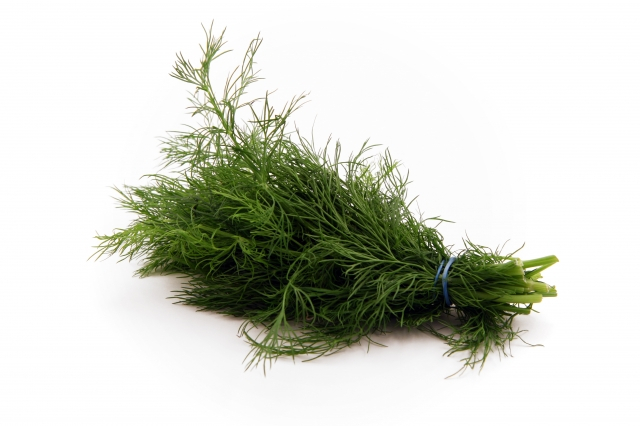
In 1991, the International Herb Association (IHA) established National Herb Week, to be celebrated during the week prior to Mother's Day. This year they named dill, Anethum graveolens, aka dill weed, as the herb of the Year for 2010.


The herb dill brings to mind the image of a crispy dill pickle. The pickling process is with the use of dill seeds. Dill seed is used as a spice with a flavor somewhat similar to caraway; but resembles fresh or dried dill weed. The seeds are stronger and more flavorful than the leaves and are most commonly associated with the cuisines of Scandinavia and Germany.

Dill weed is also a beautiful garnish; its green leaves are wispy and fernlike and have a fresh, sweet taste.

Using Dill Ideas:

Excellent herb to use when cooking fish, especially salmon and trout, as the delicate flavors complement each other.

Use dill weed as an added ingredient in sandwiches such as tuna, ham or grilled chicken.

For a meza or appetizer: Combine dill weed with Greek yogurt and chopped cucumber for making Tzatziki.

Add dill to your favorite egg salad or top deviled eggs.

Go French, with a cool Nicoise Salad made with grilled tuna steak, steamed Yukon potatoes, green beans, tomatoes and white beans. Mix with olive oil and fresh lemon juice.

And, where would gravlax be without dill? Serve on multi-grain dark bread with fresh dill while toasting the year of this 2010 herb with ice frozen Aquavit from Scandinavia flavored with dill seed.

Skoal!