Tandoor Tikka

I am often asked which I prefer cooking on - a gas or charcoal grill? The verdicts still out on that question. They both have their obvious advantages. My best advice is to use what you are comfortable with but I also encourage walking over to the wild side every once in a while.

I'd like to highlight another type of grill or in this case - oven, which has huge appeal around the globe and is gaining appeal in the US.  

Many cultures claim the origin of a ancient tandoor oven; however its roots have most likely been from Middle Eastern and Roman origin. The Tandoor oven is a cylindrical clay oven with its heat source from wood, charcoal, or gas fired; putting out about 100,000 BTU’s per hour reaching up to 900 degrees F. It can BBQ your chicken lickety-split. 

tandoor-clay.jpg

clay tandoor

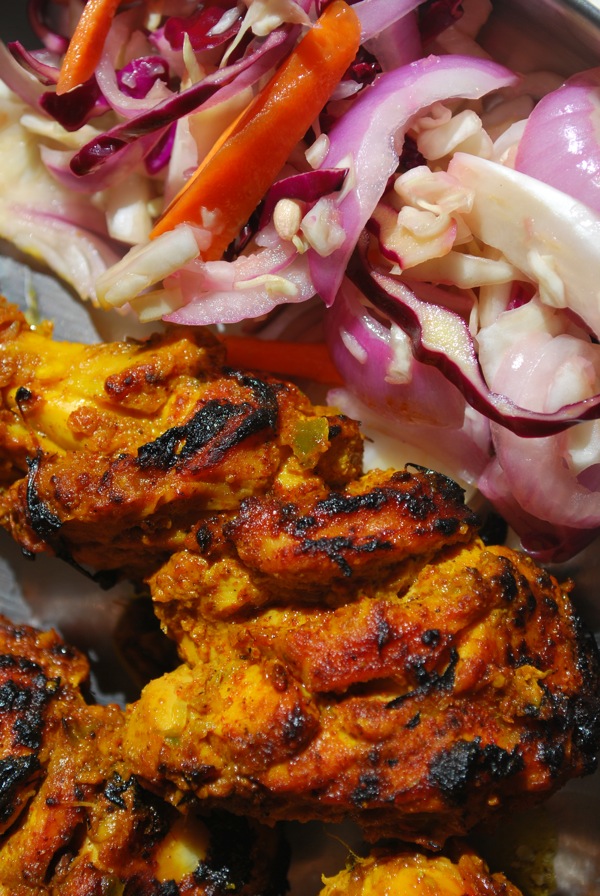
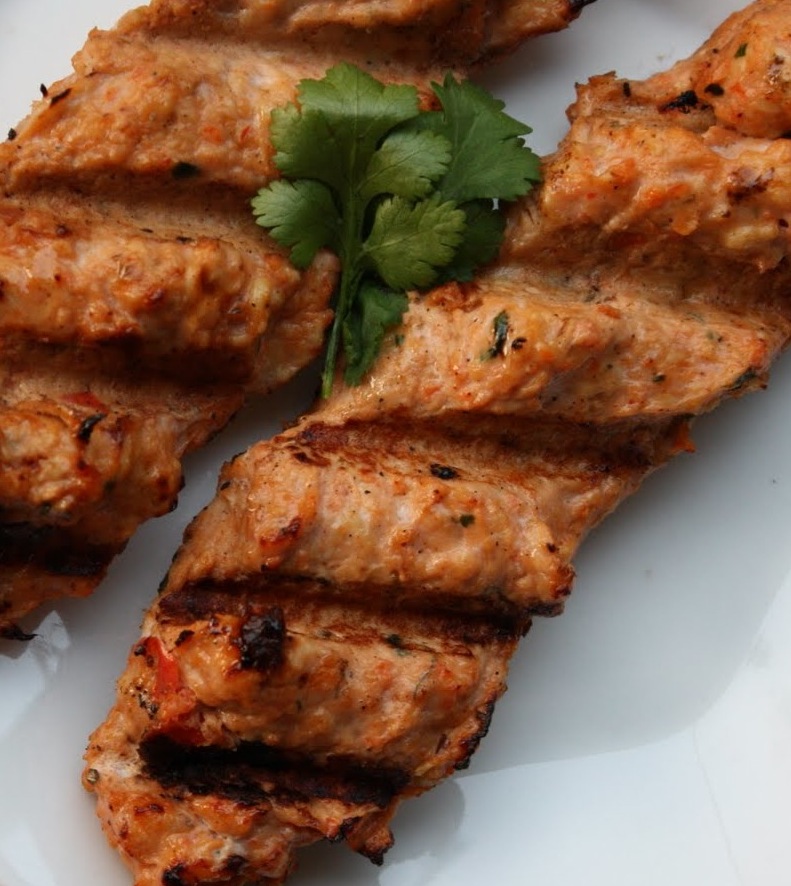
Most households don’t have a backyard tandoor, but this shouldn’t stop you from making this flavorful tandoor inspired marinated chicken dish - skewered and grilled, right on your own backyard grill. Chicken Tikka (meaning bits & pieces) of South Asain origin is usually boneless chicken grilled in a Tandoor.  Although there is nothing better than going to the source for Chicken Tikka, here’s a nice version to-do at home along with alternatives to seasoning if you can't shop for spices in an Indian market. 

Note: Chicken Tikka Masala is known as the “unofficial” British national dish and is made from Chicken Tikka; with the addition of a masala sauce. During summer, I prefer to serve the Chicken Tikka without the sauce, and serve with a cool refreshing salad, nann bread, and couscous

chichen-tandori.jpg

Chicken Tikka

Makes six servings  | recipe by George Hirsch

2 pounds of boneless chicken, breasts or thighs cut into 3-4 inch pieces

1/4 cup melted butter

1 lime, cut into six wedges

1/4 sweet onion, sliced

2 Tablespoons cilantro, chopped

The Marinade:

Juice of 1 lime

1 cup plain yogurt

1 Tablespoon olive oil

6 cloves garlic, chopped

1 Tablespoon, fresh ginger, pealed and chopped

1 Tablespoon turmeric 

1 teaspoon each: cumin, paprika, chili powder, cinnamon

pinch fresh grated nutmeg

2 Tablespoon fresh cilantro, chopped

1 teaspoon hot sauce

fresh ground black pepper 

pinch sea salt

In a shallow bowl combine the lime juice, yogurt, olive oil, garlic, ginger, turmeric, cumin, paprika, chili powder, cinnamon, nutmeg, cilantro, hot sauce, salt and mix well. Add the chicken, sprinkle liberally with black pepper. Marinate overnight or at least 4 hours in the refrigerator, turning occasionally.

Remove chicken and drain marinade and discard. Thread chicken on metal skewers or pre-soaked bamboo skewers. 

Pre heat grill to high heat.

Brush chicken meat with melted butter and sear chicken k-bobs on hot grill for 3 to 4 minutes on each side.  Brush with additional butter occasionally to add additional flavor. 

Move k-bobs to medium heat or to cooler edge of the grill and cook until done, about 12 to 15 minutes, or until completely cooked. 

Place on a platter with couscous, sliced onion, top with fresh cilantro and fresh lime wedges.              

Optional: Serve with a chutney and chopped fresh chilies, to personal taste.

Little Sour One

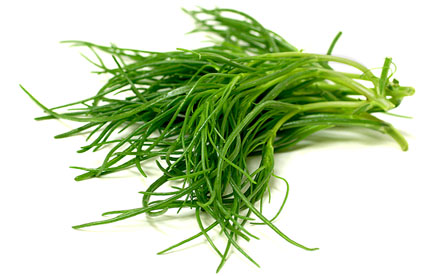
Agretti, meaning little sour one, is a salty-like heirloom herb with a succulent texture and a pleasantly acidic bite. I predict agretti soon to be a very popular green in the US. Originating in the mediterranean, it is now being harvested in California and available at Italian specialty markets. You may also see it identified at roscana aka in Italy.

It has a short harvest season in early spring. You'll find them packed in bunches that resemble the grass like look of spring chives. Agretti is best eaten when young and enjoyed fresh or cooked. 

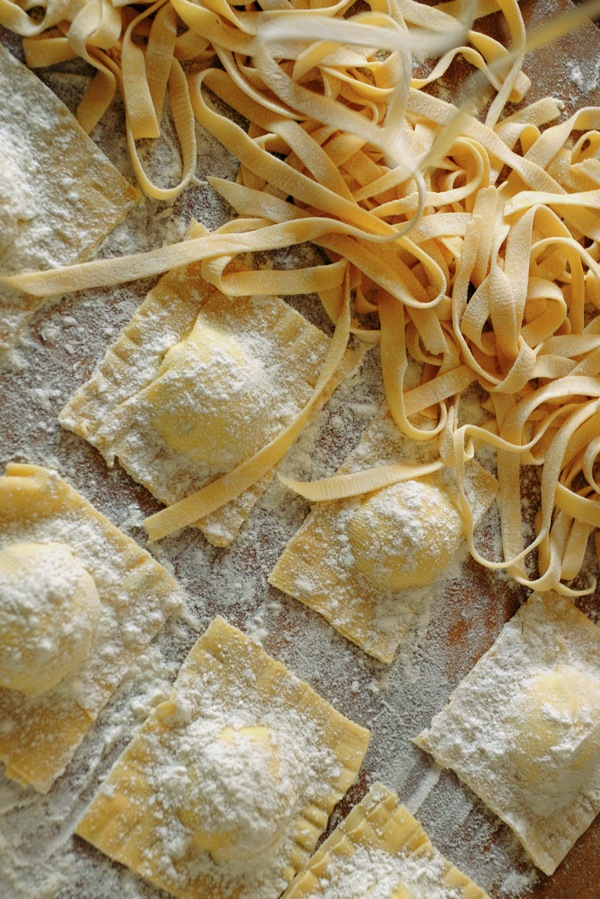
Simply served chopped and tossed fresh in mixed salads for a slightly salty crunch. To cook, chop and sauté with olive oil, garlic and pepperchino as great by itself or mixed, better yet served with a little fresh pappardelle - to make fresh parpadelle use my Ricotta Dough Recipe, below.

For more of George's Good Stuff Picks - Just Click!

Agretti's botanical name is Salsola soda, a relative to the tumbleweed, Salsola tragus. Ukrainian immigrants settling in the Great Plains are thought to have brought these plants to establish their fragile roots into U.S. soil.

A bit more:  Agretti should not to be confused with Russian Thistle - the plant commonly known as Tumbleweed. You wouldn’t want to eat it, the thorns on Tumbleweed would be a little rough on the digestion, even though in times of drought ranchers of yesteryear fed it to cattle during excessive droughts.

Ricotta Pasta Dough | Recipe Chef George Hirsch 

3 1/2 to 4 cups all purpose flour, variable

10 ounces ricotta, well drained

2 whole eggs, beaten

1 egg yolk, add to beaten eggs

1/4 teaspoon salt 

To Mix By Hand:

Mound 3 1/2 cups of the flour and salt in the center of a large wooden cutting board or use a large deep bowl. Make a well in the middle of the flour, add the ricotta and eggs. Begin to mix all ingredients by hand folding the flour round and round. 

The dough will come together when half of the flour is incorporated. At this point, start kneading the dough with both hands, using the palms of your hands. 

Once the dough comes together, remove the dough from the bowl and scrape up and discard any leftover bits. Lightly flour the board and continue kneading for 6 more minutes. The dough should be elastic and a little sticky. If too sticky add a little more flour.

Wrap the dough in plastic, refrigerate overnight or allow to rest for at least one hour. Because of the eggs, the Ricotta Dough should be cooked or frozen within three days.

Roll or shape as desired. 

From here you can prepare ravioli, fettuccini, pappardelle, or endless variety of shapes. 

Divide the dough into four pieces. Lightly dust a large wooden board with flour and roll slightly by hand, repeat dusting with flour flipping dough over as you make it thinner and thinner. The trick is to use just the right amount of flour, too little it will stick, too much and the pasta will become tough when cooked. 

A pasta dough machine with metal rollers and cutters is ideal to give you variety of options. But with a little practice by hand, you’ll roll the dough like a pro. 

You Love Chocolate

TREND #4. Chocolate Ingredient

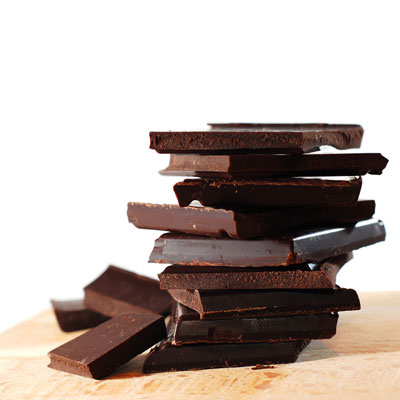
Would you like to see the chocolate menu? Who would say no to this offer? This flavorful, sometimes exotic ingredient will be added to more than ice cream sundaes and moles. What used to be considered a dessert or sweet treat will be added to more savory dishes as an ingredient. The transparency here—I really do not care for chocolate, so my personal preference didn't influence this 2012 trend pick. 

Click to see more of George's Cooking & Lifestyle Trends for 2012.

For the traditionalists who want chocolate as a sweet, here are a few chocolate dessert favorites to make this Valentine's Day!

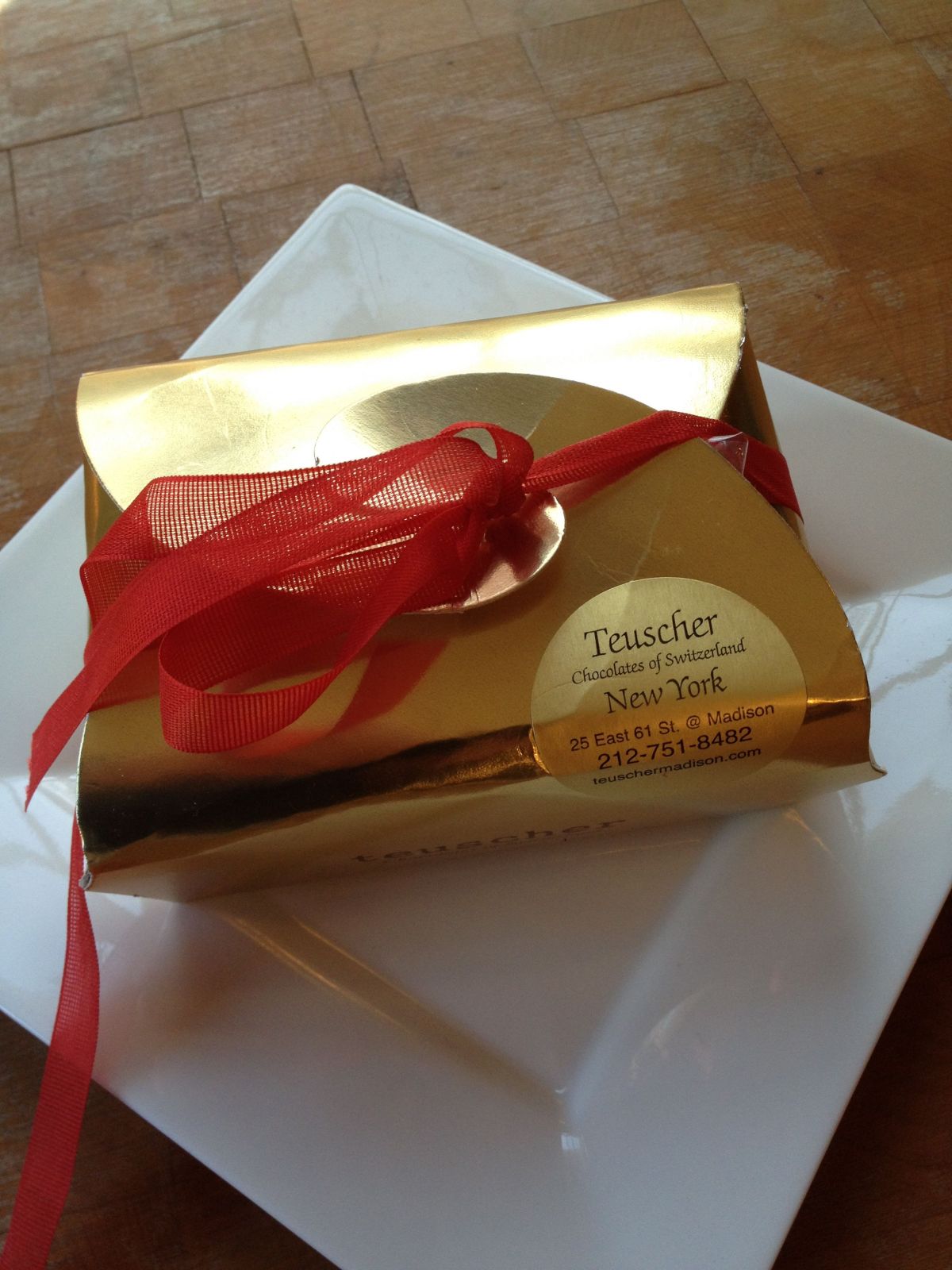
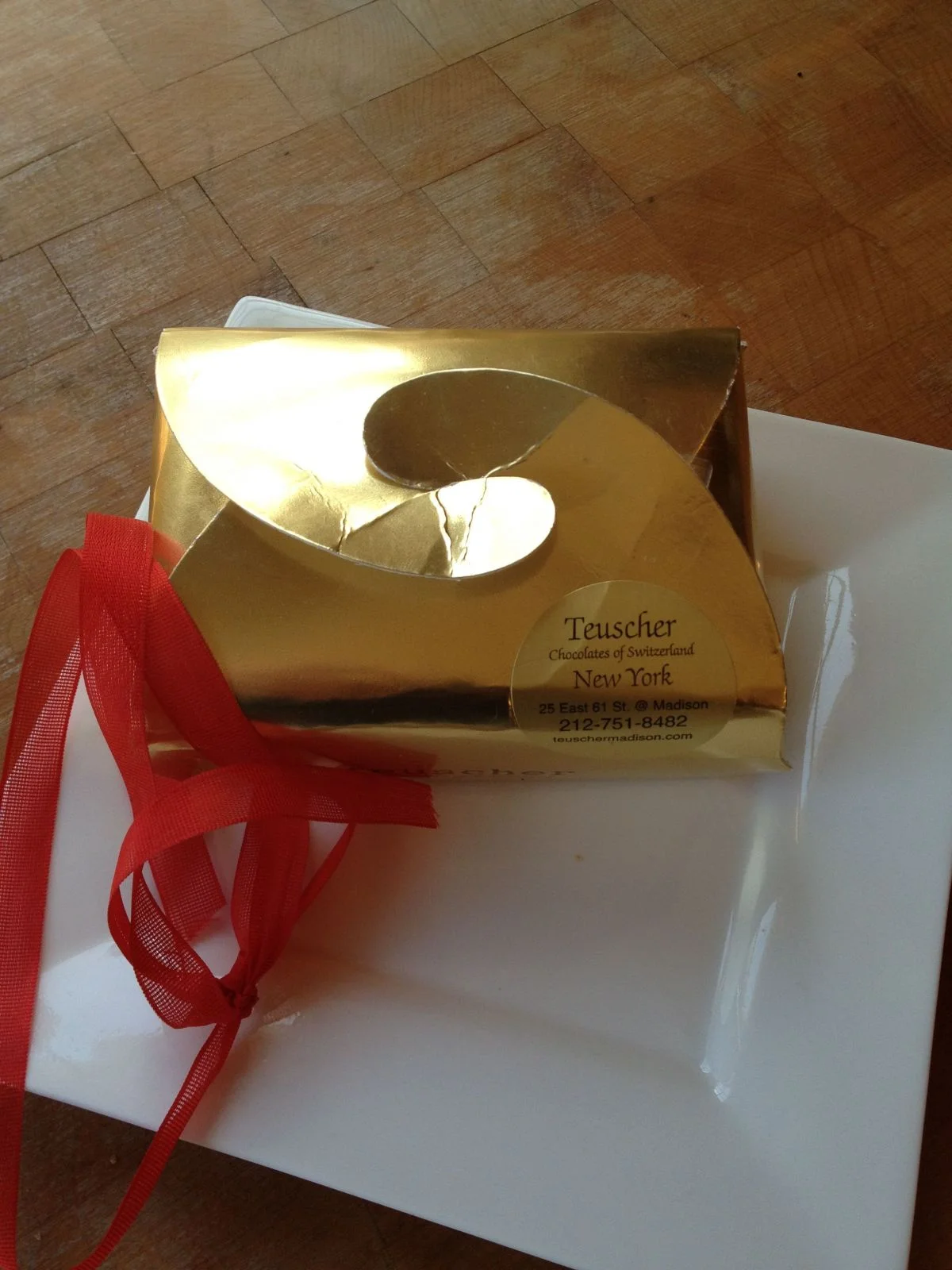
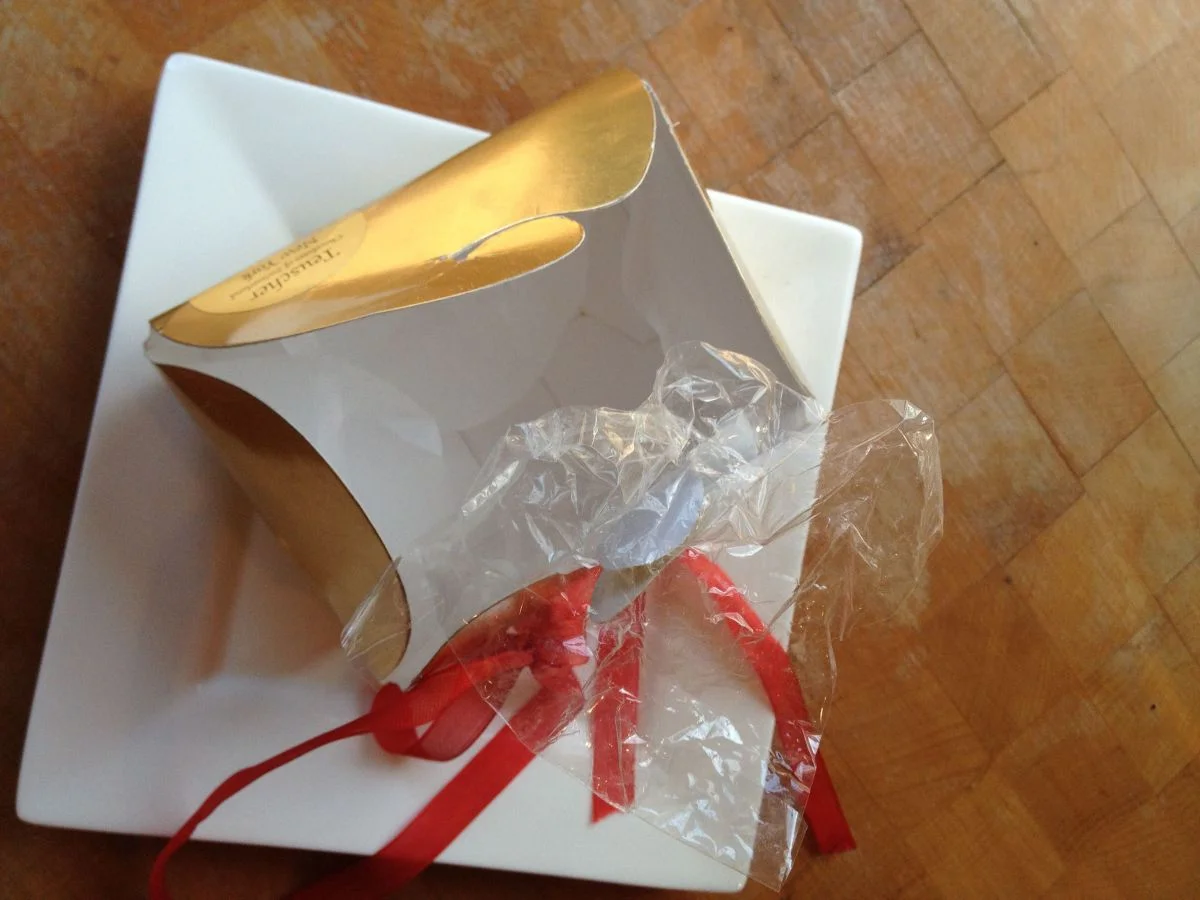
teuscher

Chocolates of Switzerland

Teuscher Chocolates was founded more than 70 years ago in a small town in the Swiss Alps. A master chocolate maker embarked on a path that would make him one of the world's greatest chocolatiers. Dolf Teuscher skillfully blended the world's finest and only natural ingredients to produce his now famous recipes. Chocolates are prepared fresh in the Zurich kitchen and flown directly to all their stores in Europe, the United States, Canada and Asia.
Frank on Swiss - post.

Opened in 1979, a visit to the Fifth Avenue store, nestled in the Channel Gardens at Rockefeller Center - has become a tradition for New Yorkers and visitors from around the globe. The beautifully decorated store overflows with colorful fantasy flowers and unique trademark boxes. Teuscher's famous Champagne Truffles, pralines and marzipans are hand-made and flown in weekly from Switzerland. 

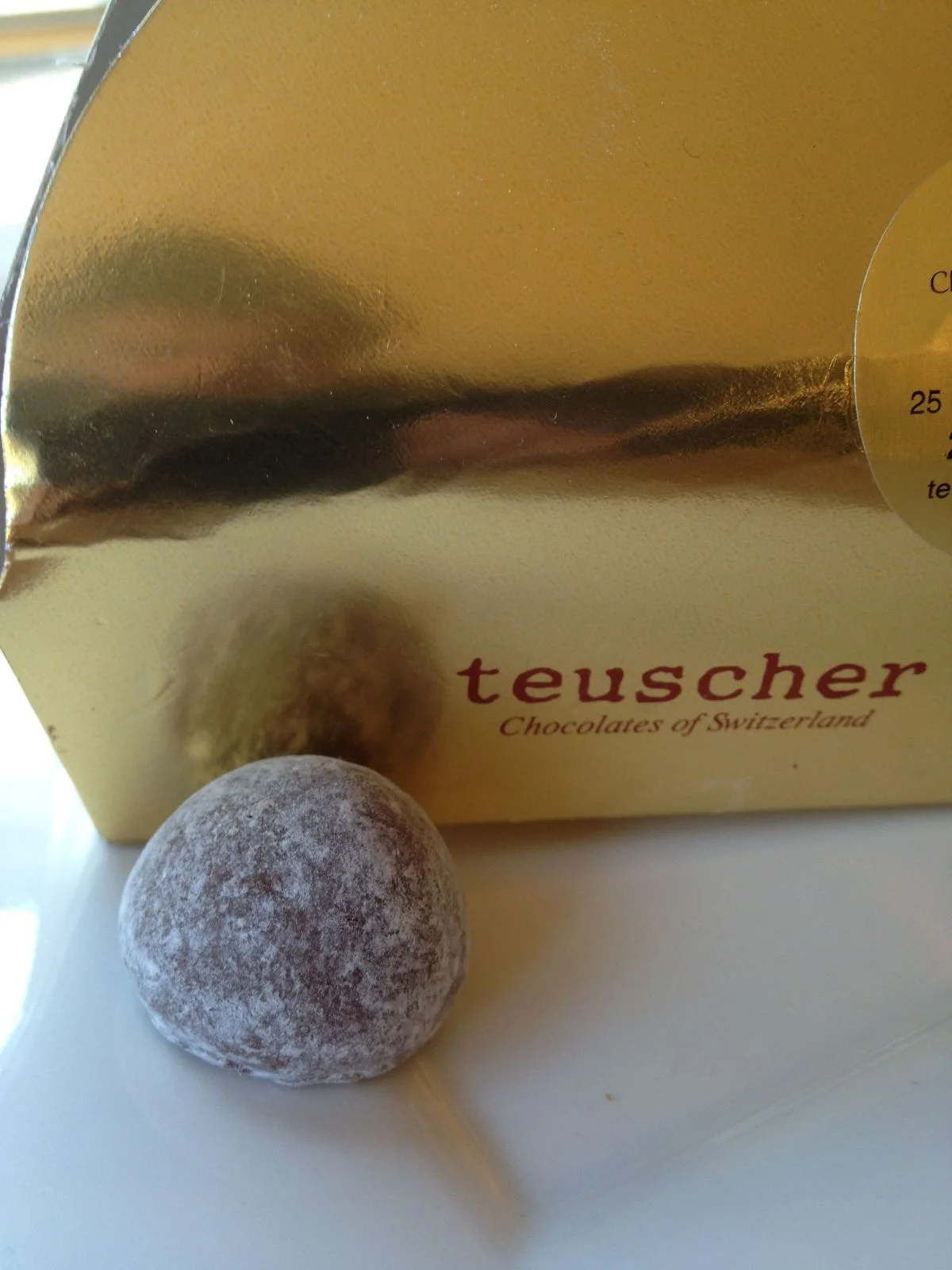
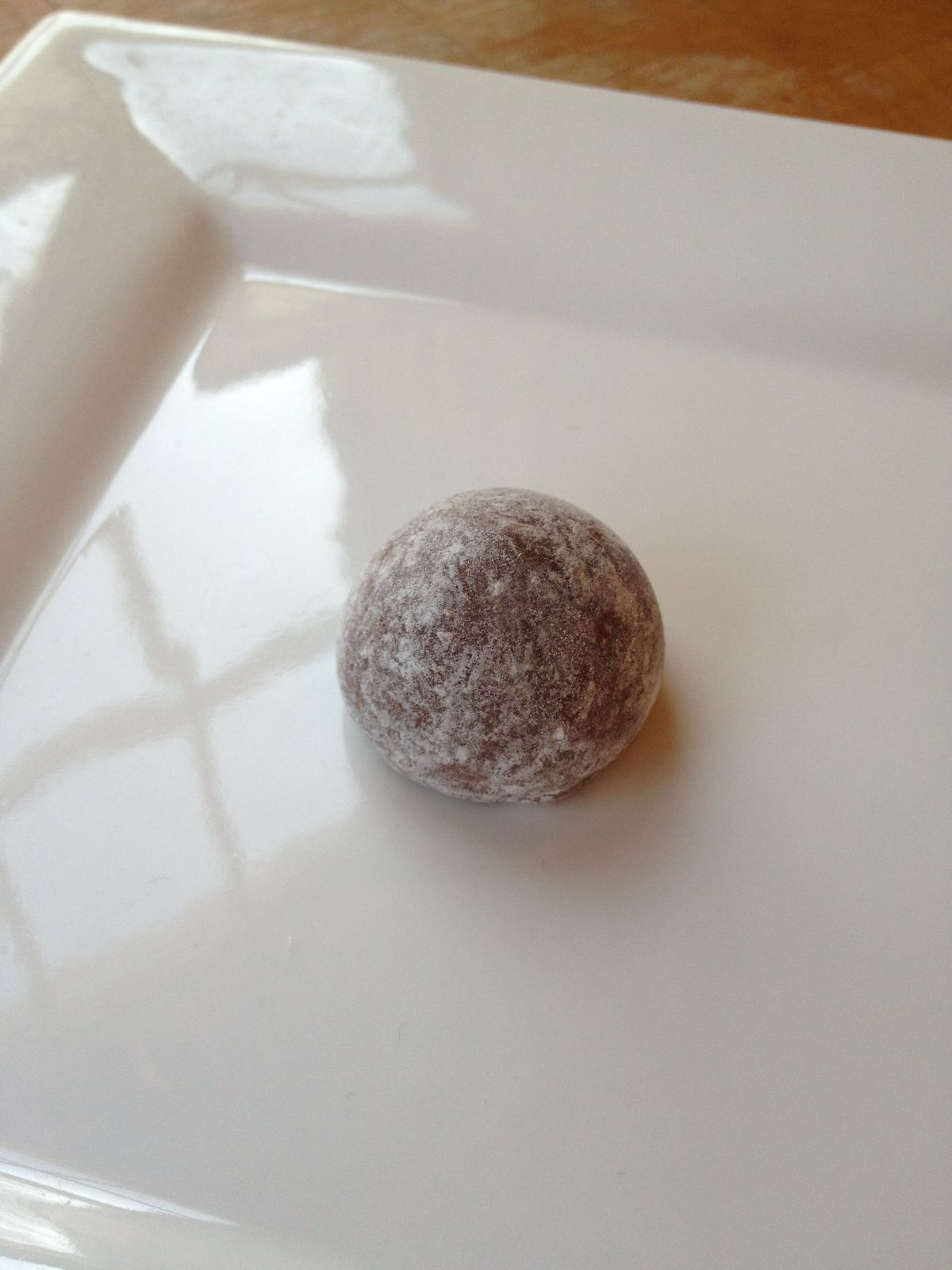
Teuschers house speciality, the famous Champagne Truffle made with a champagne cream center, surrounded by dark chocolate ganache, covered with milk chocolate and dusted with confectioner's sugar.

More On Chocolate

For Chocolate Lovers

Chocolat L'Africain

Instant Replay

This Sunday during Super Bowl XLVI there will be that one game winning play that will become legendary and replayed over and over. But, I figure why wait until kick off, it's time to Know Your Fire right now with my favorite-fan-picks instant replay of these super recipes for this weekend's Gameday! BTW, I have an extra recipe for your secret play on the grill, my Adana kebabi!

One of the oldest cooking techniques in existence, the art of grilling meat on a skewer was derived from medieval Turkish soldiers who used their swords to cook meat over open fires. An Adana kebabi from the south of Turkey is a savory mixture of minced lamb, cumin, cayenne, black pepper, dried oregano and mint. The meat is shaped into a long cylindrical shape like a long hot dog or sausage, then pierced onto a long metal skewer and grilled in one piece. It is served removed from the skewer and cut up.

Adana is named after the 5th largest city in Turkey, Adana. There are very strict guidelines and inspections that must be passed by The Adana Chamber of Commerce in order to be an authentic Adana kebabi vendor.

Adana kebabi has to be made from the meat of a male lamb. The skewered meat, must be roasted on fireless, charcoal embers exclusively from oak wood. The skewers are frequently turned during grilling using caution so the melting fat is not dripped on the embers causing a flair up. The Adana is served on flat bread by pressing the meat off the skewers after cooking; when wrapped and served in a flat bread, it's called a Dürüm. Authentic accompaniments served with adana include; charred tomatoes, green or red peppers, onions and parsley seasoned with sumac or lemon pepper seasoning, and warm hummus.

Adana or Kiyma Kebabi

Makes 4 servings | recipe by Chef George Hirsch
1 pound ground lamb or ground beef 
1/4 teaspoon ground red (cayenne) pepper
1/2 teaspoon each; ground cumin, dried oregano
1 Tablespoon each: fresh parsley and fresh mint
1 egg white
Fresh ground black pepper, to taste
Pinch Sea salt
Olive oil
2 fresh lemons, quartered
Fresh Mint 
1 cup plain Greek yogurt, optional

Mix the meat with the cayenne, cumin, oregano, parsley, mint, black pepper, and salt in a bowl. Add the egg white and continue to combine until the mixture is well blended.

Grease skewers with cooking spray or oil. If possible, use long, flat metal skewers. Divide the meat mixture into 2-4 (depending on the length of skewer), 2 inch wide thick sausage shapes. Push the skewer through the middle, lengthwise, and squeeze the mixture up and down the skewer, spreading it evenly. Repeat with the other skewer. 

Cover and place in refrigerator to chill for 30 minutes. This will help the meat hold together. When ready to grill, brush the outside of meat with olive oil.

Preheat the grill to high. 

Place skewers on very hot grill. Grill 5 minutes, turning frequently, or until cooked through. Serve immediately with sides of yogurt, fresh lemon, fresh chopped mint, and an onion & parsley salad.